
Blog
Start Writing on LetsBuildUp.org Blog: The Complete 2026 Guide for New and Experienced Bloggers


In 2026, blogging remains one of the most effective ways to share knowledge, build authority, grow an audience, and establish an online presence. Whether you are a beginner taking your first steps into content creation or an experienced writer looking for a new platform, Start Writing on LetsBuildUp.org Blog offers an opportunity to publish meaningful articles that educate, inspire, and engage readers.
Creating quality content requires more than simply writing words. Successful blog posts combine well-researched information, engaging storytelling, attractive visuals, optimized images, and reader-friendly formatting. When paired with helpful tools like Picfont for creating eye-catching graphics and 11zon Image Compressor for optimizing image sizes without losing quality, your blog articles can deliver an excellent user experience.
This comprehensive 2026 guide explains how to start writing on the LetsBuildUp.org blog, create valuable content, optimize visuals, and build articles that readers enjoy.
Why Write on LetsBuildUp.org Blog?
The internet contains millions of blogs, yet readers continue searching for trustworthy, practical, and informative content. Publishing on LetsBuildUp.org allows writers to contribute valuable ideas while developing their writing skills and expanding their online portfolio.
Some benefits include:
- Sharing knowledge with a wider audience
- Building credibility in your niche
- Improving writing skills
- Creating evergreen educational content
- Supporting community learning
- Developing a professional online presence
- Showcasing expertise through informative articles
Successful blogging focuses on helping readers solve problems, answer questions, and discover useful information in an engaging way.
Planning High-Quality Blog Content
Every successful article begins with careful planning. Before writing, determine your target audience and identify the purpose of your content.
Ask yourself questions such as:
- Who will read this article?
- What problem does it solve?
- What information will readers gain?
- How can the article remain useful over time?
A strong blog structure typically includes:
- An engaging introduction
- Clear H2 and H3 headings
- Informative paragraphs
- Practical examples
- Helpful tips
- A concise conclusion
- Frequently Asked Questions (FAQ)
Breaking information into logical sections improves readability for both desktop and mobile users.
Create Better Blog Images with Picfont
Visual content plays a major role in keeping readers engaged. Well-designed images make articles more attractive and help explain complex ideas.
Picfont is a useful online tool that enables users to add stylish text overlays to images without requiring advanced graphic design software.
Popular ways to use Picfont include:
- Featured blog images
- Article banners
- Quote graphics
- Tutorial illustrations
- Social media previews
- Educational infographics
- Promotional visuals
Benefits of using Picfont include:
- Easy-to-use interface
- Multiple font options
- Custom colors
- Flexible text placement
- Professional-looking designs
Consistent branding across your blog graphics helps create a recognizable and polished appearance.
Optimize Images with 11zon Image Compressor
Large image files can slow down a website and negatively affect the reader experience. Compressing images before uploading them helps pages load faster while maintaining visual quality.
The 11zon Image Compressor allows users to reduce image file sizes without noticeable quality loss, making it a practical tool for bloggers.
Advantages of optimized images include:
- Faster page loading
- Improved mobile browsing
- Reduced storage usage
- Lower bandwidth consumption
- Better overall website performance
- Enhanced accessibility
- Improved user satisfaction
Optimized images also make it easier for visitors with slower internet connections to access your content.
Best Practices for Writing Engaging Blog Posts
Writing an effective article involves more than choosing an interesting topic. Consider these practices to improve readability and value:
Write Clear Headlines
Headings should accurately describe the content that follows and help readers navigate the article.
Use Short Sections
Organize information into manageable sections with descriptive headings rather than presenting long, unbroken blocks of text.
Include Practical Information
Readers appreciate actionable advice, examples, and explanations they can apply immediately.
Maintain Consistent Formatting
Use bold text to highlight important ideas, and ensure spacing and formatting remain consistent throughout the article.
Update Content Regularly
Refreshing older articles with new information keeps them relevant and useful over time.
Building a Complete Blogging Workflow
A structured workflow helps streamline content creation and improve efficiency.
Step 1: Research
Gather accurate information from reliable sources and identify the main points your article should cover.
Step 2: Write
Create a clear draft using headings, subheadings, and informative paragraphs.
Step 3: Design Visuals
Use Picfont to produce custom images with professional typography.
Step 4: Compress Images
Before uploading, optimize visuals using the 11zon Image Compressor to improve loading speed.
Step 5: Review
Proofread the article, verify facts, and check formatting for consistency.
Step 6: Publish
Upload the final article along with optimized images, descriptive titles, and relevant metadata.
Common Blogging Mistakes to Avoid
Even experienced writers can overlook important details. Avoid these common issues:
- Publishing without proofreading
- Using oversized image files
- Writing unclear or misleading headings
- Ignoring mobile readability
- Overusing decorative graphics
- Failing to organize content logically
- Neglecting image optimization
- Providing outdated information
Paying attention to these details creates a better reading experience and reflects professionalism.
Conclusion
Start Writing on LetsBuildUp.org Blog in 2026 is an opportunity to educate readers, share expertise, and contribute valuable content to an online community. High-quality articles combine clear writing, thoughtful organization, informative visuals, and optimized media to create an enjoyable experience for visitors.
By planning your content carefully, creating attractive graphics with Picfont, and reducing image file sizes using the 11zon Image Compressor, you can produce blog posts that are visually appealing, fast-loading, and easy to read across all devices.
The most successful blog articles focus on helping readers with accurate, well-structured information while maintaining a professional presentation. With consistent effort and attention to quality, your contributions to LetsBuildUp.org can provide lasting value for readers in 2026 and beyond.
Frequently Asked Questions (FAQ)
What is LetsBuildUp.org?
LetsBuildUp.org is a blogging platform or website where writers can publish informative content and share knowledge with readers.
Why should I optimize blog images?
Optimized images improve loading speed, reduce bandwidth usage, and enhance the overall user experience.
How can Picfont improve my blog posts?
Picfont allows you to create professional-looking featured images, banners, and graphics by adding customizable text to images.
What does the 11zon Image Compressor do?
It compresses image files without significantly reducing visual quality, helping websites load more efficiently.
What makes a successful blog article?
A successful article provides accurate information, clear organization, engaging visuals, practical value, and an enjoyable reading experience while remaining easy to understand.
Blog
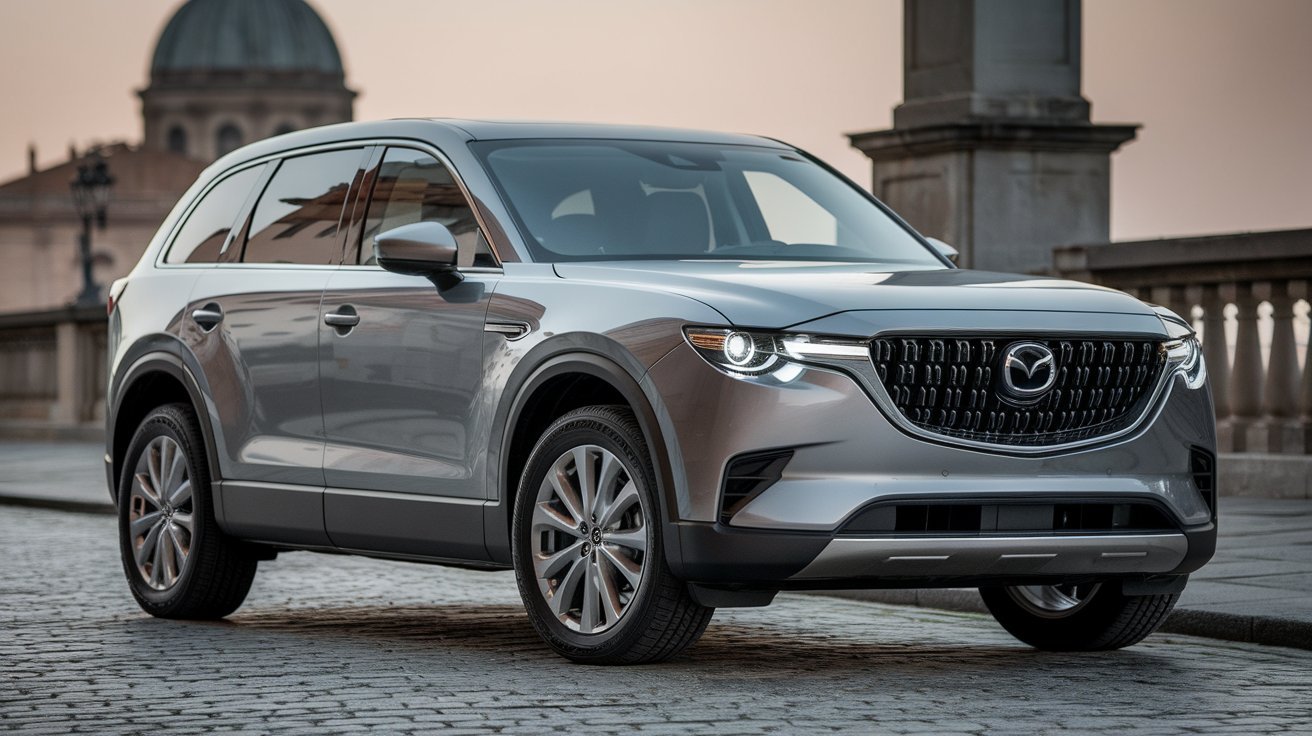
2010 Mazda CX-9: Complete Guide to Specs, Features, Performance, Problems, and Ownership in 2026

Mercedes Sprinter campervans continue to be one of the most recognizable platforms for van life, road trips, overlanding, and professional recreational-vehicle conversions. In 2026, the Sprinter offers several wheelbase, roof-height, engine, payload, and drivetrain combinations, giving buyers considerable flexibility when creating a customized campervan.
Unlike a traditional factory-built motorhome, many Mercedes Sprinter campervans begin as a Sprinter Cargo Van, Crew Van, or other Sprinter platform and are then converted by a specialist upfitter. Mercedes-Benz itself provides technical resources and an upfitter network designed to support these modifications.
What Is a Mercedes Sprinter Campervan?
A Mercedes Sprinter campervan is generally a Sprinter van converted into a compact recreational vehicle with features such as a bed, kitchen, cabinets, electrical system, water storage, refrigerator, heating, ventilation, and sometimes a bathroom or shower.
The major advantage of the Sprinter platform is its combination of interior space, commercial-vehicle capability, available AWD, and multiple body configurations. Buyers can choose a relatively compact 144-inch wheelbase or a much longer 170-inch configuration, depending on how much living space they require.
For 2026, Mercedes-Benz lists Sprinter Cargo Van configurations with 144-inch and 170-inch wheelbases, high-roof choices, and even an extended-wheelbase high-roof version. The 2026 Cargo Van configurator also lists standard-output diesel, high-output diesel, and high-output diesel AWD powertrains.
2026 Mercedes Sprinter Campervan Specifications
The exact specifications depend heavily on the van selected before conversion. A 2026 Sprinter Crew Van, for example, can use a 1,950cc four-cylinder diesel engine, a 9G-TRONIC automatic transmission, and rear-wheel drive or high-output diesel AWD.
The standard-output diesel produces 170 horsepower and 295 lb-ft of torque, while the high-output diesel produces 211 horsepower and 332 lb-ft of torque. Mercedes-Benz also offers the high-output engine with AWD on applicable configurations.
For camper conversions, dimensions are particularly important. A 170-inch-wheelbase high-roof Crew Van can provide up to 396 cubic feet of cargo volume, while its listed standing height is around 77 inches in applicable configurations. The 144-inch high-roof version can provide up to 279 cubic feet of cargo volume.
These numbers demonstrate why the Sprinter is popular for larger camper layouts: there is enough vertical and longitudinal space for a genuine living area rather than simply a sleeping platform.
Sprinter 144 vs. 170 Wheelbase for Camper Builds
Choosing the correct wheelbase is one of the most important decisions when planning a Mercedes Sprinter campervan conversion.
The 144-inch Sprinter is attractive for travelers who want a more manageable vehicle. It can work well for couples, weekend campers, and owners who frequently drive through cities or narrow roads. A shorter body can also make parking and maneuvering less stressful.
The 170-inch Sprinter, meanwhile, provides substantially more room for a fixed bed, larger kitchen, additional storage, indoor seating, and potentially a bathroom. Mercedes-Benz lists a 170-inch high-roof Crew Van with 396 cubic feet of cargo volume in applicable configurations.
The trade-off is size. A longer campervan requires more attention when parking, turning, and navigating tight locations.
AWD and Off-Grid Capability
For travelers who spend time on gravel roads, snowy routes, mountain roads, or remote campsites, Sprinter AWD can be an important option.
Mercedes-Benz lists a high-output four-cylinder diesel AWD configuration for the 2026 Sprinter. In a 144-inch Crew Van configuration, the AWD model is rated at 211 horsepower and 332 lb-ft of torque, with a listed payload of 3,472 pounds.
AWD does not turn the Sprinter into an extreme rock-crawling vehicle, and a finished camper can become considerably heavier than the original van. However, additional traction can be useful when road conditions become difficult.
For serious overlanding builds, owners should consider all-terrain tires, appropriate suspension components, ground clearance, weight distribution, recovery equipment, and the final vehicle’s gross weight rather than focusing on AWD alone.
Designing the Interior of a Sprinter Campervan
The biggest advantage of a Sprinter conversion is the ability to design the interior around a specific travel lifestyle.
A basic Sprinter campervan interior may include a platform bed, compact kitchen, portable refrigerator, overhead cabinets, roof ventilation, auxiliary battery, solar panels, and a small water system.
A larger 170-inch high-roof build can potentially accommodate:
- Fixed or convertible sleeping areas
- Compact kitchen and countertop
- Refrigerator or freezer
- Fresh and wastewater tanks
- Indoor dining area
- Swivel front seats
- Solar panels and lithium battery storage
- Heating and air-conditioning systems
- Toilet or enclosed bathroom
- Large exterior gear storage
Weight management is critical. Cabinets, batteries, water, appliances, passengers, food, camping equipment, and furniture all add weight. A beautiful interior is only practical when the completed vehicle remains within its applicable weight and axle limits.
Mercedes-Benz provides Body and Equipment Guidelines for companies modifying Sprinter vans, covering technical specifications and limitations that should be considered during upfitting.
Safety, Technology and Everyday Driving
Modern Sprinter campervans can provide a useful selection of driver-assistance and safety technologies. Mercedes-Benz lists Active Brake Assist as a standard feature, while available systems can include Blind Spot Assist, Attention Assist, a 360-degree camera, Active Distance Assist DISTRONIC, Traffic Sign Assist, and Active Lane-Keeping Assist, depending on configuration and packages.
The available Drive Assist Package can include Blind Spot Assist, Active Lane Keeping Assist, a digital rearview mirror, Parking Package, and electrically folding exterior mirrors.
For a large campervan, these technologies can be especially useful because the vehicle is longer, taller, and heavier than a typical passenger car. However, driver-assistance systems are not substitutes for careful driving, particularly when maneuvering around campsites, pedestrians, bicycles, or tight parking areas.
Mercedes Sprinter Campervan Conversion and Cost Considerations
One of the biggest questions for potential buyers is the Mercedes Sprinter campervan price. There is no single price because the final cost depends on the base vehicle, drivetrain, wheelbase, roof, interior materials, electrical system, appliances, plumbing, heating, solar equipment, labor, and customization.
As a reference point, Mercedes-Benz lists the 2026 Sprinter Cargo Van starting at $48,990 MSRP in its U.S. configurator. The 2026 Cargo Van options include a 144-inch standard-roof model, 144-inch high-roof model, 170-inch high-roof model, and 170-inch extended-wheelbase high-roof model.
A high-output diesel AWD powertrain adds substantially to the base vehicle price, while a professionally built camper interior can add many thousands of dollars beyond the van itself. Therefore, buyers should calculate the complete build cost, not just the initial Sprinter MSRP.
Mercedes-Benz operates an eXpertUpfitter program and provides technical resources for companies that modify Sprinter vehicles. However, Mercedes-Benz notes that upfitters are responsible for their modifications, testing, certifications, and safety-related performance.
Is a Mercedes Sprinter Campervan Right for You in 2026?
The Mercedes Sprinter campervan remains a highly adaptable platform for people who want a substantial mobile living space without moving to a much larger motorhome.
The 2026 lineup provides meaningful choices between 144-inch and 170-inch wheelbases, standard and high roofs, different diesel outputs, and available AWD. The shorter configuration can suit travelers prioritizing maneuverability, while the longer high-roof model offers considerably more room for a full camper interior.
For buyers planning an off-grid campervan, the most important decisions are not simply the Mercedes-Benz badge or engine output. Consider the intended number of occupants, sleeping arrangement, water capacity, electrical needs, heating and cooling, storage requirements, final vehicle weight, driving environment, and quality of the conversion.
With careful planning, a 2026 Mercedes Sprinter campervan can become a versatile home on wheels for weekend adventures, long-distance travel, camping, overlanding, and extended road trips.
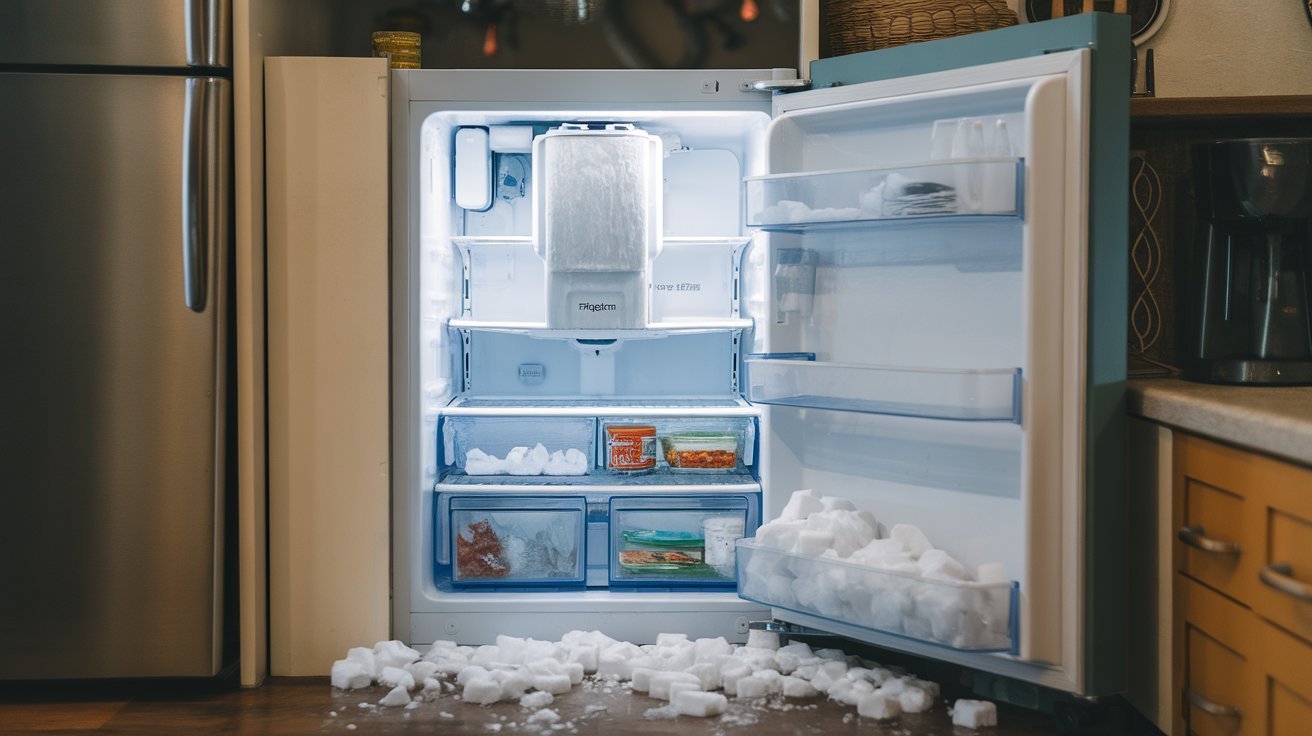
A Frigidaire refrigerator ice maker not working can quickly become frustrating, especially when the refrigerator is cooling normally but no ice is being produced. In many cases, however, the problem is caused by something relatively simple, such as the ice maker being turned off, a clogged water filter, insufficient water flow, an incorrect freezer temperature, or a frozen fill tube. Frigidaire’s own troubleshooting guidance recommends checking these basic conditions before assuming that the ice maker assembly has failed.
The exact solution depends on the refrigerator model, but the troubleshooting process is broadly similar across French-door, side-by-side, and top-freezer Frigidaire refrigerators. This guide explains the most common causes and the practical steps you can take to determine why your Frigidaire ice maker has stopped producing ice.
Check Whether the Frigidaire Ice Maker Is Turned On
The first thing to check when a Frigidaire ice maker is not making ice is whether the ice-making function is actually enabled. A refrigerator can continue cooling normally while the ice maker remains switched off through its control panel or physical controls.
Check the refrigerator’s display and make sure the Ice Maker On/Off setting is enabled. On models with a wire signal arm or paddle, make sure the arm can move freely and has not been pushed into an off position. Frigidaire specifically recommends confirming that the ice maker is turned on before moving on to more complicated troubleshooting.
If the refrigerator was recently installed, give it time to reach its operating temperature. Frigidaire says a newly installed refrigerator may need approximately 24 hours before normal ice production begins. The water system should also be properly primed because air in the plumbing can result in several empty ice-making cycles.
Check the Freezer Temperature
An incorrect freezer temperature is one of the most important things to investigate. The ice maker needs sufficiently cold conditions to freeze the water and complete its normal harvesting cycle.
Frigidaire’s appliance-parts troubleshooting information states that an ice maker may not produce ice efficiently when the freezer temperature is above 10°F (-12°C) and recommends a freezer setting of approximately 0°F to 5°F (-18°C to -15°C) for proper ice-making performance.
If you recently changed the temperature setting, avoid expecting immediate results. The freezer needs time to stabilize. Frigidaire notes that temperature stabilization can take approximately 24 hours in situations such as a new installation or after a power interruption.
Also check whether the freezer door is closing completely. A door that remains slightly open can allow warm air into the freezer, increasing temperatures and potentially causing frost accumulation around the ice-making system.
Inspect the Water Supply and Water Filter
If the Frigidaire refrigerator has no ice but the freezer is cold, the next area to investigate is the water supply. The ice maker cannot operate without an adequate supply of water.
Start by checking whether the refrigerator’s water line is properly connected and whether the household water valve is open. Inspect the supply line behind the refrigerator for kinks or crushing. Frigidaire specifically notes that pushing a refrigerator too far against the wall can kink the water line and reduce water flow.
The water filter is another common cause. A clogged or incorrectly installed filter can restrict water flow to the ice maker. Frigidaire recommends replacing the refrigerator water filter approximately every six months, although actual replacement requirements can depend on usage and the particular model. If you have recently installed a replacement filter, make sure it is fully seated and that the water system has been properly primed and purged.
A useful clue is the water dispenser. If the dispenser is also producing weak water flow or no water, the issue may be related to the filter or water supply rather than the ice maker itself.
Look for a Frozen Fill Tube or Ice Jam
Another common reason for a Frigidaire ice maker not working is a frozen fill tube. The fill tube supplies water to the ice maker, and if ice blocks the tube, fresh water cannot enter the ice tray.
Frozen fill tubes can be associated with low water pressure, a faulty water inlet valve, or freezing conditions around the water inlet area. Frigidaire’s repair guidance identifies a frozen fill tube as one of the common causes of an ice maker that does not receive water.
If your refrigerator produces ice but will not dispense it, the problem may instead be a frozen or misaligned auger. Frigidaire recommends removing the ice bin, thawing and emptying frozen ice around the auger, drying the bin, and reinstalling it correctly.
Check Water Pressure and the Inlet Valve
When the refrigerator is cold enough, the ice maker is switched on, and the filter and water line appear normal, the water inlet valve becomes another important area to investigate.
The water inlet valve is electrically controlled and allows water to enter the refrigerator’s water and ice-making system. Frigidaire appliance troubleshooting information identifies the valve as a common cause of an ice maker that does not fill. It also notes that the valve requires sufficient water pressure to operate properly, with some model-specific guidance citing approximately 20 psi.
Low household water pressure can therefore create symptoms that look like an ice-maker failure. If the refrigerator’s water dispenser is also weak, investigate the home’s water supply before replacing expensive refrigerator components.
For electrical testing of an inlet valve or ice-maker assembly, use the refrigerator’s model-specific service information. If you are not comfortable testing electrical components, professional appliance service is safer than attempting live-voltage testing yourself.
Reset the Refrigerator After a Power Problem
A recent power outage, power surge, or electrical interruption can sometimes affect ice-maker operation. Frigidaire recommends a power reset as one possible troubleshooting step when ice production is interrupted.
Before performing any reset, follow the instructions in your owner’s manual. After restoring power, remember that the refrigerator may need time to return to its normal operating temperature. Ice production should not necessarily be expected immediately after the refrigerator has been restarted.
If the ice maker begins working again after a reset but repeatedly stops, the underlying issue may involve a control component, wiring, temperature problem, or water-supply component and may require further diagnosis.
When the Ice Maker Needs Professional Repair
If you have confirmed that the ice maker is turned on, the freezer is sufficiently cold, the water supply is available, the filter is installed correctly, and there are no obvious blockages, the problem may involve an internal component.
Potential causes can include the ice maker assembly, water inlet valve, door switch, wire harness, control board, or related electrical components. Frigidaire appliance repair information lists these among possible causes depending on the specific refrigerator model.
At this point, the refrigerator’s exact model number becomes extremely important because Frigidaire uses different ice-making systems across its product ranges. Replacement parts should be matched to the model rather than purchased solely because they appear visually similar.
Conclusion
When a Frigidaire refrigerator ice maker is not working, start with the simplest possibilities: make sure the ice maker is on, verify the freezer temperature, inspect the water supply, check the filter, and look for frozen ice or a blocked fill tube. Frigidaire indicates that a refrigerator may need up to 24 hours to stabilize after installation or certain interruptions, while water-filter and water-supply problems can also significantly reduce ice production.
If these checks do not restore ice production, the issue may involve the water inlet valve, ice maker assembly, wiring, door switch, or control electronics. At that stage, using the model-specific manual or arranging professional service can prevent unnecessary part replacement. A systematic diagnosis is usually the best approach because the symptom “no ice” does not automatically mean that the ice maker itself has failed.

2010 Mazda CX-9: Complete Guide to Specs, Features, Performance, Problems, and Ownership in 2026

Louis Moinet: The History, Watches, Chronograph Legacy, and Modern Swiss Haute Horlogerie

Mercedes Sprinter Campervans 2026: Complete Guide, Features, Prices and Conversion Options

Get in Touch in TurboGeek.org: Complete 2026 Guide to Contacting TurboGeek.org for Support, Collaboration, and Inquiries

Mounjaro & Wegovy Side Effects: A Complete Guide to What You Should Know

PC Cleaner: The Complete Guide to Improving Your Computer’s Performance
 Tech3 months ago
Get in Touch in TurboGeek.org: Complete 2026 Guide to Contacting TurboGeek.org for Support, Collaboration, and Inquiries
- Health4 months ago
Mounjaro & Wegovy Side Effects: A Complete Guide to What You Should Know
- Technology4 months ago
PC Cleaner: The Complete Guide to Improving Your Computer’s Performance
- Blog3 months ago
www.thriftyevents.net: The Complete 2026 Guide to Budget-Friendly Event Planning, Creative Ideas, and Smart Celebrations
- Tech4 months ago
Sparx Science: The Complete Guide to Smarter Learning, Interactive Homework, and Student Success
- Tech3 months ago
PRConnectHive com: Complete 2026 Guide to Digital PR, Media Outreach, and Brand Visibility
- Health3 months ago
Kiolopobgofit Supplement: Complete 2026 Guide to Benefits, Ingredients, Uses, Safety, and Effectiveness
- Tech3 months ago
From TurboGeek.org Blog: A Complete Guide to Technology, Gaming, Apps, and AI in 2026