Entertainment
Met Live in HD: Complete Guide to the Metropolitan Opera Cinema Series in 2026

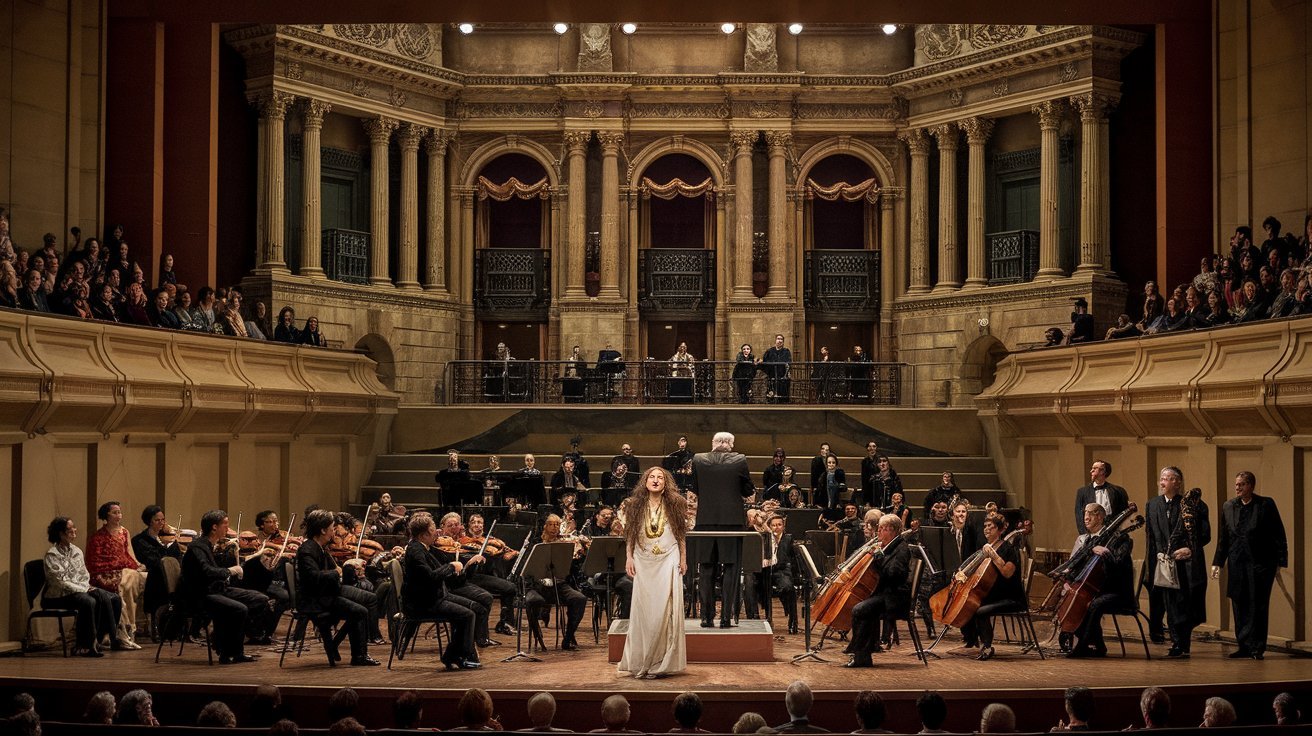
Met Live in HD, officially known as The Met: Live in HD, is a worldwide cinema transmission series from the Metropolitan Opera in New York. It allows audiences to experience major opera productions on a large movie-theater screen with high-definition video and cinema sound rather than traveling to the opera house.
The series has become an important way for people around the world to experience professional opera. For the 2026–27 season, The Met is celebrating the 20th anniversary of Live in HD, with eight live cinema transmissions, three encore presentations, and a special anniversary program.
What Is Met Live in HD?
The Met Live in HD is the Metropolitan Opera’s cinema presentation series. Performances taking place at the Met in New York are transmitted to participating movie theaters and other venues around the world.
The concept gives opera audiences access to productions featuring major singers, conductors, orchestras, choruses, sets, costumes, and stage direction without requiring them to be physically present at Lincoln Center.
The program began in December 2006, and the 2026–27 season marks its 20th anniversary. According to Fathom Entertainment, the series has sold more than 33 million tickets since its launch and has reached more than 2,200 screens in more than 70 countries across six continents.
Instead of watching a conventional movie, viewers see a carefully produced presentation of an actual opera performance. Camera work can show close-ups of singers, the orchestra, stage details, and other parts of the production that may be difficult to see from a traditional opera seat.
How Does The Met: Live in HD Work?
A Live in HD performance begins with the Metropolitan Opera production in New York. Specialized cameras capture the performance, while the transmission is delivered to participating cinemas.
The cinema presentation is designed to provide more than a distant view of the stage. Multiple camera angles can bring viewers closer to the performers and production details. The large screen and theater sound system also make it possible to appreciate the scale of the orchestra and voices.
Many presentations include additional material surrounding the performance. Depending on the cinema and production, audiences may see interviews, backstage features, introductions, or discussions with artists.
The Metropolitan Opera also provides English StreamText captioning for selected transmissions, with transcripts available for certain performances after the live event.
This combination of live theater, professional camera production, and cinema presentation is what makes Met Live in HD different from simply watching a recorded opera at home.
Met Live in HD 2026–27 Schedule
The 2026–27 Live in HD season contains eight live transmissions. The schedule begins in October 2026 and continues through June 2027.
The main lineup includes:
| Date | Opera | Composer |
|---|---|---|
| October 3, 2026 | Così fan tutte | Wolfgang Amadeus Mozart |
| October 17, 2026 | Macbeth | Giuseppe Verdi |
| December 5, 2026 | Samson et Dalila | Camille Saint-Saëns |
| January 23, 2027 | La Fanciulla del West | Giacomo Puccini |
| March 20, 2027 | Silent Night | Kevin Puts |
| April 3, 2027 | Manon | Jules Massenet |
| April 24, 2027 | Otello | Giuseppe Verdi |
| June 5, 2027 | Parsifal | Richard Wagner |
The Met has also scheduled encore screenings of selected productions and a special anniversary presentation. The official cinema schedule lists Carmen and The Magic Flute, among others, as encore presentations during the season.
What Makes the 2026–27 Season Special?
The 2026–27 season is particularly important because it marks two decades of The Met’s cinema transmissions.
The anniversary presentation, titled Twenty Years of the Met in Cinemas: An Anniversary Celebration, is hosted by soprano Renée Fleming. It brings together highlights from the Met’s extensive collection of more than 185 onscreen performances.
The special presentation is scheduled for September 19, 2026, with participating cinemas offering varying dates and times. It gives longtime viewers an opportunity to revisit memorable moments from previous Met broadcasts while introducing the series to new audiences.
The new season also contains several notable productions. Verdi’s Macbeth receives a new production, while Puccini’s La Fanciulla del West returns in a new staging. Kevin Puts’s Silent Night, a Pulitzer Prize-winning opera inspired by the 1914 Christmas Truce, is another major feature of the season.
Why Watch Met Live in HD in a Cinema?
There are several reasons audiences choose Met Live in HD rather than attending an opera performance in person.
First, cinema presentations can make major productions accessible to people who live far from New York. A viewer can experience a Metropolitan Opera production at a participating theater without arranging travel to Manhattan.
Second, the camera presentation provides close views of performers. In a large opera house, even a good seat may leave certain facial expressions or costume details difficult to see. Cinema cameras can bring those details directly to the audience.
Third, the sound system in a modern theater can provide an immersive experience. The combination of large-screen visuals and powerful audio allows viewers to appreciate both the singers and the orchestra.
Finally, the format can be useful for people who are new to opera. Seeing a production in a cinema can feel more approachable than buying a ticket to a major opera house without knowing what to expect.
How to Find Met Live in HD Tickets and Cinemas
The Metropolitan Opera provides a Theater Finder that helps viewers locate participating cinemas. According to the Met’s FAQ, audiences can enter their city and state to find nearby participating locations. Tickets are generally sold directly by the participating venues rather than by the Metropolitan Opera itself.
Because schedules can differ between locations, viewers should check the individual theater before planning their visit. A cinema may show the live transmission at the scheduled time or offer an encore screening on another date.
Transmission times can also vary by country. The official Met schedule lists U.S. transmission times in Eastern Time, while international cinemas may announce local screening times separately.
For viewers outside the United States, checking the local cinema’s schedule is especially important because international partners can have different screening dates.
Frequently Asked Questions About Met Live in HD
Is Met Live in HD actually live?
Yes. The main Live in HD events are live transmissions from Metropolitan Opera performances in New York to participating cinemas and venues around the world.
Where can I watch Met Live in HD?
You can watch it at participating movie theaters and cultural venues. The Metropolitan Opera’s Theater Finder can help identify participating locations.
What operas are in the 2026–27 season?
The lineup includes Così fan tutte, Macbeth, Samson et Dalila, La Fanciulla del West, Silent Night, Manon, Otello, and Parsifal.
Is there an anniversary event in 2026?
Yes. Twenty Years of the Met in Cinemas: An Anniversary Celebration is part of the 2026–27 season and features highlights from two decades of Met cinema transmissions.
Can beginners enjoy Met Live in HD?
Absolutely. You do not need extensive opera knowledge to attend. Many viewers use the cinema presentations as an accessible introduction to opera, classical singing, orchestral music, and theatrical production.
Conclusion
Met Live in HD has transformed the way audiences experience Metropolitan Opera productions. By transmitting performances from New York to cinemas around the world, the series brings major opera productions closer to audiences who may never have the opportunity to visit the Metropolitan Opera itself.
The 2026–27 season is especially significant, marking the 20th anniversary of the program. With eight live transmissions, encore presentations, and a special anniversary celebration, the season offers a broad selection of Mozart, Verdi, Saint-Saëns, Puccini, Kevin Puts, Massenet, and Wagner.
For longtime opera fans, Met Live in HD provides a chance to revisit celebrated works and performers. For newcomers, it offers a convenient introduction to one of the world’s leading opera companies through the atmosphere and technology of modern cinema.
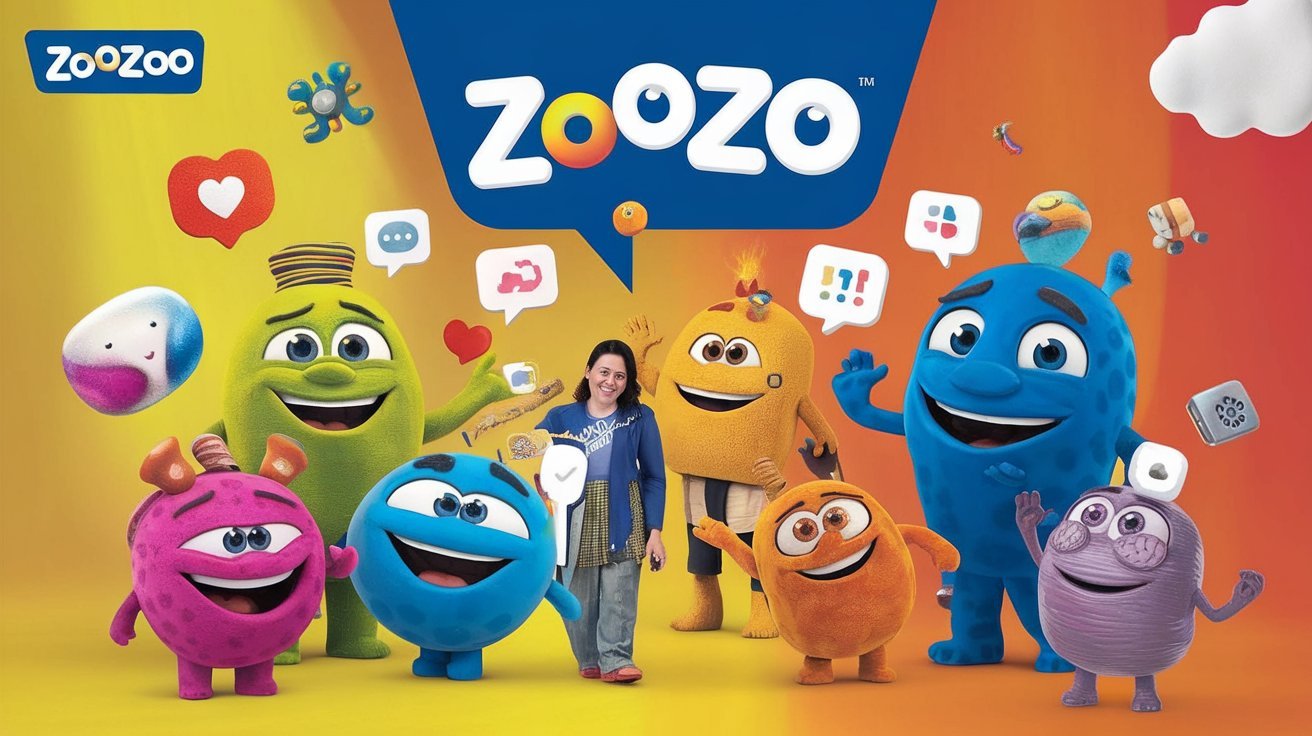
ZooZoo Tube is a search phrase commonly associated with ZooZoo videos on YouTube, especially the memorable Vodafone ZooZoo advertisements that became popular in India. These unusual white characters with egg-shaped heads, thin bodies, and funny movements quickly became one of the most recognizable advertising creations of the late 2000s.
The ZooZoos first appeared during IPL Season 2 in 2009 as part of Vodafone’s advertising campaign. The campaign promoted different mobile services through short, humorous stories rather than traditional product-focused advertisements. Many of these commercials later became popular online, making YouTube an important place for people looking for old ZooZoo advertisements and compilations.
What Does ZooZoo Tube Mean?
The term ZooZoo Tube is not the official name of a major streaming platform or a separate television network. Instead, people may use it informally when searching for ZooZoo videos on YouTube.
The connection comes from the large number of ZooZoo advertisements that were uploaded and shared online. YouTube became one of the main destinations for viewers who wanted to watch the commercials again after seeing them on television.
For example, a YouTube compilation titled “Vodafone zoo zoo ads all in one” collected 25 IPL-era ZooZoo advertisements and attracted millions of views.
Therefore, if you search for ZooZoo Tube, you will generally find content related to ZooZoo ads, compilations, old commercials, funny moments, and videos featuring the famous Vodafone characters.
The Story Behind the ZooZoo Characters
The ZooZoos were introduced by Vodafone Essar in April 2009 during the second season of the Indian Premier League. Vodafone wanted a creative way to communicate different value-added mobile services, and the advertising team developed a common set of characters that could appear across many short commercials.
Reports from the period state that Vodafone planned around 30 different commercials, with individual advertisements promoting services such as cricket alerts, phone backup, games, maps, call filtering, and musical greetings.
One of the most interesting facts about the ZooZoos is that they were not originally computer-animated characters. Human performers wore specially designed costumes that created the appearance of unusual cartoon-like creatures. The visual design made them look almost like animated aliens while keeping the production based on live performers.
This practical approach became an important part of the campaign’s identity.
Why ZooZoo Videos Became So Popular
The popularity of ZooZoo videos came from several simple but effective features. First, the characters looked completely different from ordinary advertising mascots. Their egg-shaped heads, thin bodies, white costumes, exaggerated movements, and strange sounds immediately caught attention.
Second, the advertisements were usually short and easy to understand. Instead of using long explanations, the commercials often showed a simple situation involving the ZooZoos and then connected that story with a Vodafone service.
The campaign also benefited from the timing of its launch. The advertisements appeared during IPL Season 2, when television audiences were already highly engaged with cricket. Vodafone used this major media environment to introduce a large number of different commercials.
Online sharing then helped the characters reach people beyond the original television broadcasts. Contemporary reports noted that the commercials became popular on YouTube and social networking sites.
What Can You Watch on ZooZoo Tube?
Someone searching for ZooZoo Tube may encounter several types of content. The most common category is the collection of original Vodafone ZooZoo advertisements.
Other videos may include:
- ZooZoo ad compilations
- Individual Vodafone commercials
- Old IPL ZooZoo advertisements
- Funny ZooZoo moments
- Collections of multiple commercials
- Behind-the-scenes discussions
- ZooZoo campaign retrospectives
- Fan-made videos
- Commercials promoting different Vodafone services
One YouTube compilation published in 2009 contains a collection of 25 ZooZoo advertisements and has accumulated more than 13 million views, showing the long-lasting online interest in the campaign.
Because many years have passed since the original campaign, viewers may find the same advertisements uploaded by different channels. It is therefore useful to check the video title, upload date, description, and channel when searching for a particular commercial.
The Advertising Ideas Behind ZooZoos
The ZooZoo campaign is also interesting from a marketing perspective. Rather than making every advertisement look completely different, Vodafone used the same recognizable characters as a common visual identity.
The characters communicated through simple actions, expressions, sounds, and short stories. This helped create a recognizable world around the brand.
A 2010 Goafest report describes how the campaign used Facebook, YouTube, and Twitter, including a dedicated YouTube channel and online previews of commercials. The campaign also offered digital extras such as wallpapers, emoticons, and e-cards to encourage audience interaction.
This approach is particularly notable because it connected television advertising with online sharing at a time when social media marketing was still developing rapidly in India.
The campaign also returned later in 2009 with another series of ZooZoo advertisements promoting additional Vodafone services.
Why People Still Search for ZooZoo Tube
Even though the original advertisements are more than a decade old, ZooZoo Tube remains an interesting search phrase because the characters have strong nostalgic value.
People who watched the advertisements during the IPL years may search for them to remember particular commercials. Younger viewers may discover the characters through YouTube compilations, advertising discussions, or social media posts.
The campaign is also remembered because the ZooZoos did not depend heavily on conventional dialogue. Their unusual sounds and visual storytelling helped the advertisements cross language barriers. The Print noted that their lack of a specific spoken language contributed to their broad appeal.
This makes ZooZoo videos more than simple old commercials. They represent an important example of how character design, humor, short storytelling, television exposure, and online video sharing can work together.
Frequently Asked Questions About ZooZoo Tube
Is ZooZoo Tube an official website?
There is no clear evidence that ZooZoo Tube is the official name of a standalone video platform. The phrase is generally better understood as a search term connected with ZooZoo videos and YouTube.
Who created the ZooZoo advertisements?
The campaign was developed by Ogilvy & Mather for Vodafone Essar. Rajiv Rao was closely associated with the concept, while Nirvana Films and director Prakash Varma were involved in production.
Were the ZooZoos animated?
No. The original ZooZoos were human performers wearing specially designed body suits. The costumes and production techniques made them appear like animated characters.
When did the ZooZoos first appear?
The ZooZoos were introduced in April 2009 during IPL Season 2 as part of Vodafone Essar’s advertising campaign.
Where can I find ZooZoo videos?
Many old ZooZoo advertisements and compilations can be found through YouTube searches, including collections of the original Vodafone commercials.
Conclusion
ZooZoo Tube is best understood as a search phrase connected with the online world of ZooZoo videos, especially YouTube compilations of Vodafone’s famous advertisements. The ZooZoos became memorable because of their unusual appearance, simple stories, strange sounds, and humorous behavior.
Introduced during IPL Season 2 in 2009, the characters helped Vodafone promote numerous mobile services while creating a recognizable advertising identity. Their popularity moved beyond television as viewers shared the commercials on YouTube and social media.
Today, searching for ZooZoo Tube can lead viewers back to these classic commercials and compilations. For many people, the videos offer a nostalgic look at one of India’s most recognizable advertising campaigns and an interesting example of how memorable characters can continue to attract attention long after an original campaign has ended.
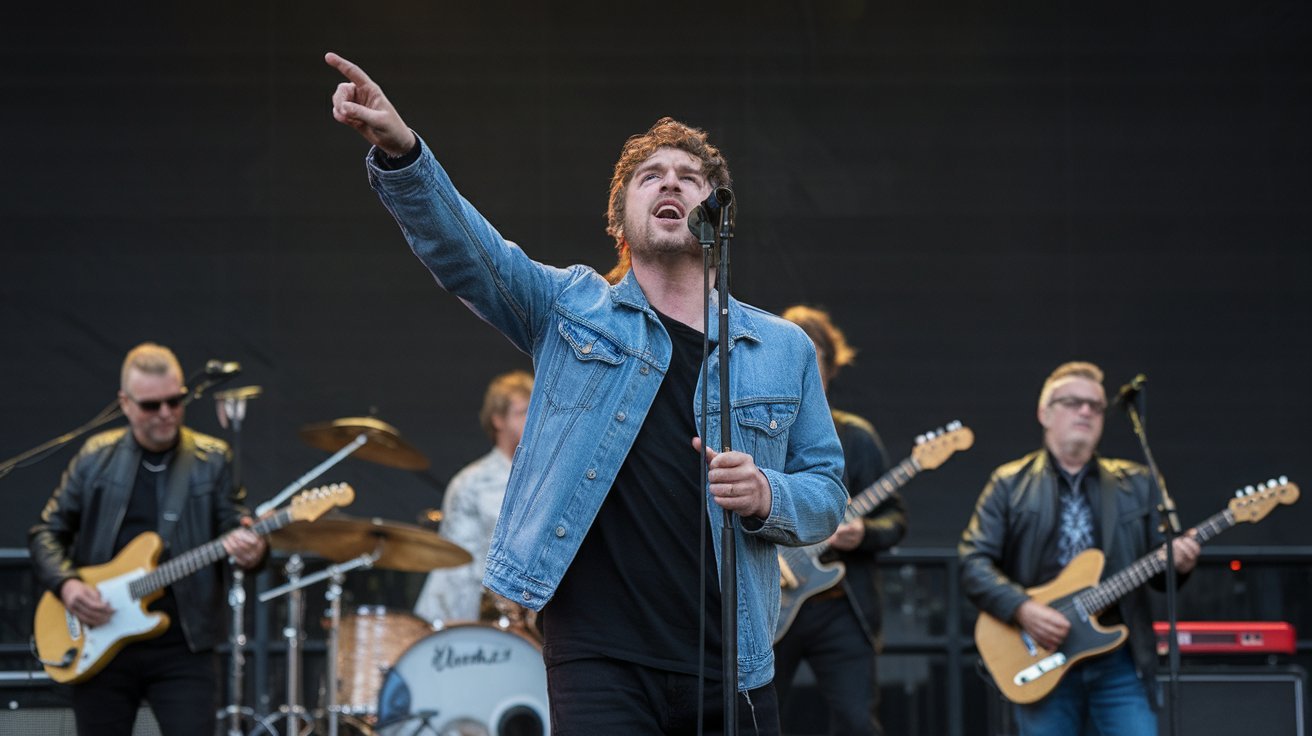
“He Touched Me” is a well-known Christian gospel song centered on spiritual transformation, personal faith, and the profound feeling of experiencing God’s presence. The song has remained meaningful to generations of listeners because its message is direct and emotionally powerful: a person describes an encounter with divine grace that changes their life.
For people searching for “He Touched Me lyrics,” it is important to distinguish between the lyrics themselves and information about the song. The complete copyrighted lyrics are not reproduced here, but we can explore the song’s meaning, history, themes, performances, and spiritual message in detail.
What Is “He Touched Me” About?
“He Touched Me” is a Christian gospel song written by William J. Gaither. Its central idea is the experience of being touched by God in a way that brings spiritual renewal and freedom.
The song uses a personal testimony style. Rather than presenting an abstract theological argument, it communicates faith through the perspective of someone who has experienced a profound change. The narrator describes a condition of spiritual burden and then contrasts it with the freedom and peace associated with divine intervention.
The phrase “He touched me” functions as the song’s central image. The “touch” is not presented merely as a physical action. Instead, it represents God’s ability to reach into a person’s life, remove burdens, provide peace, and create a new sense of purpose.
This straightforward message is one reason the song has worked so effectively in churches, gospel concerts, worship services, and personal devotional settings.
The History and Writer Behind the Song
William J. Gaither is one of the most influential figures in modern Southern gospel music. He wrote numerous gospel songs and became particularly well known for his work with the Bill Gaither Trio and later the Gaither Vocal Band.
“He Touched Me” emerged during the 1960s and became one of Gaither’s best-known compositions. Over time, it moved beyond its original gospel setting and became familiar to much wider audiences through recordings by prominent performers.
The song’s longevity demonstrates the strength of its underlying composition. Its melody is accessible, its structure is easy to follow, and its lyrics communicate a message that can be understood without extensive musical or theological knowledge.
Rather than relying on complicated imagery, the song emphasizes personal experience, spiritual freedom, and gratitude.
“He Touched Me” Lyrics: Meaning and Interpretation
The lyrics tell a story of transformation. At the beginning, the narrator describes a difficult spiritual condition. The person feels burdened and unable to find a way forward.
The song then introduces the transformative encounter represented by God’s touch. After that experience, the narrator’s emotional and spiritual condition changes.
Several important themes emerge:
Spiritual Freedom
One of the strongest ideas is freedom from spiritual burdens. The song portrays faith as something capable of changing a person’s inner condition.
Divine Grace
The transformation is attributed to God’s action rather than human achievement. This places grace at the center of the song’s message.
Personal Testimony
The song is written in a highly personal manner. The narrator does not simply say that God can transform people; the narrator describes having experienced that transformation personally.
Gratitude
The emotional response to this encounter is gratitude. The song communicates appreciation for the change that has taken place.
Renewed Life
The experience is portrayed as more than a temporary emotional moment. It represents a new direction and renewed spiritual identity.
Because these themes are universal within Christian worship, listeners from different backgrounds can connect with the song in their own ways.
Why “He Touched Me” Became So Popular
Several characteristics helped make “He Touched Me” enduringly popular.
First, the song has an easily recognizable central message. The title itself summarizes the core idea, making it memorable after only a few listens.
Second, the melody gives singers room to communicate emotion. Gospel music often depends heavily on vocal expression, and this song can be performed quietly and reflectively or with a much larger, more dramatic arrangement.
Third, the subject matter is highly relatable to Christian audiences. Many worshippers understand faith through personal testimony—describing how prayer, belief, or an encounter with God affected their lives.
Finally, the song has been performed and recorded by major artists, exposing it to audiences well beyond its original gospel context.
Elvis Presley and “He Touched Me”
One of the most famous recordings of “He Touched Me” came from Elvis Presley, who recorded the song as part of his gospel repertoire.
Presley’s connection with gospel music was significant throughout his career. He recorded and performed numerous Christian songs, and his interpretation of “He Touched Me” introduced the composition to a huge international audience.
His version also demonstrated the song’s flexibility. Although rooted in gospel, it could be interpreted by a major popular-music performer while retaining its religious message.
Presley’s recording helped strengthen the song’s place in popular awareness and contributed to its continued recognition among listeners who might not ordinarily listen to Southern gospel music.
The Musical and Emotional Style of the Song
The power of “He Touched Me” does not depend solely on its words. The musical arrangement can significantly influence how listeners experience the song.
A vocalist can emphasize the contrast between the narrator’s earlier burden and the freedom experienced afterward. Gospel-style phrasing, sustained notes, harmonies, and dynamic changes can all intensify the emotional impact.
Different performers may therefore produce very different interpretations of the same composition.
A church choir might emphasize harmony and communal worship, while a solo singer might focus on personal testimony. A contemporary arrangement could use modern instrumentation, while a traditional gospel performance might rely more heavily on piano, organ, choir, and vocal harmonies.
This flexibility has helped the song remain relevant across generations.
How “He Touched Me” Is Used in Christian Worship
“He Touched Me” can fit naturally into settings focused on testimony, salvation, spiritual renewal, gratitude, and God’s grace.
Churches may perform it as a congregational song, choir selection, solo, or special musical presentation. Its message can also make it appropriate for gospel concerts and devotional programs.
The song’s emphasis on personal transformation is particularly suitable for services where individuals are reflecting on their faith journey.
For listeners, the song can also function as a personal devotional piece. Its message encourages reflection on questions such as how faith has influenced one’s life, how burdens have been overcome, and where spiritual renewal can be found.
Where to Find the Complete “He Touched Me” Lyrics
People searching for the full “He Touched Me” lyrics should use an authorized lyrics source, official song publication, licensed music service, or legally provided songbook. Because the lyrics are copyrighted, they are not reproduced in full here.
A useful alternative is to study the song’s meaning and structure while listening to an authorized recording. Comparing different performances can also reveal how singers interpret the same words through changes in tempo, dynamics, phrasing, and vocal tone.
For educational or devotional purposes, we can discuss a specific short excerpt of the lyrics if it is provided for analysis, including its meaning, symbolism, or theological context.
Frequently Asked Questions About “He Touched Me”
Who wrote “He Touched Me”?
William J. Gaither wrote “He Touched Me.” He is a major figure in Southern gospel music and has written numerous influential Christian songs.
Who famously recorded “He Touched Me”?
Elvis Presley made one of the best-known recordings of the song. His gospel recordings introduced many Christian songs to a worldwide popular audience.
What is the main message of “He Touched Me”?
The central message is spiritual transformation through an encounter with God. The song presents divine grace as bringing freedom, peace, and renewed life.
Is “He Touched Me” a gospel song?
Yes. It is widely recognized as a Christian gospel song, particularly associated with the Southern gospel tradition.
Can the complete lyrics be provided?
The full copyrighted lyrics cannot be reproduced here. However, the song can be summarized, analyzed, and discussed, and a short user-provided excerpt can be examined in detail.
Final Thoughts
He Touched Me lyrics has endured because it communicates a simple but powerful message of faith, grace, transformation, freedom, and gratitude. William J. Gaither’s composition combines an accessible melody with a personal testimony that allows singers and listeners to connect with the song emotionally.
Its history in gospel music, together with well-known performances such as Elvis Presley’s recording, has helped establish it as a lasting Christian musical classic.
For anyone searching for “He Touched Me lyrics,” understanding the story behind the words can make the song even more meaningful. At its heart, the composition describes a life changed through a spiritual encounter and expresses the joy that follows that transformation.
Entertainment
Trumpet Music: History, Styles, Techniques, and Complete Guide to Playing the Trumpet in 2026
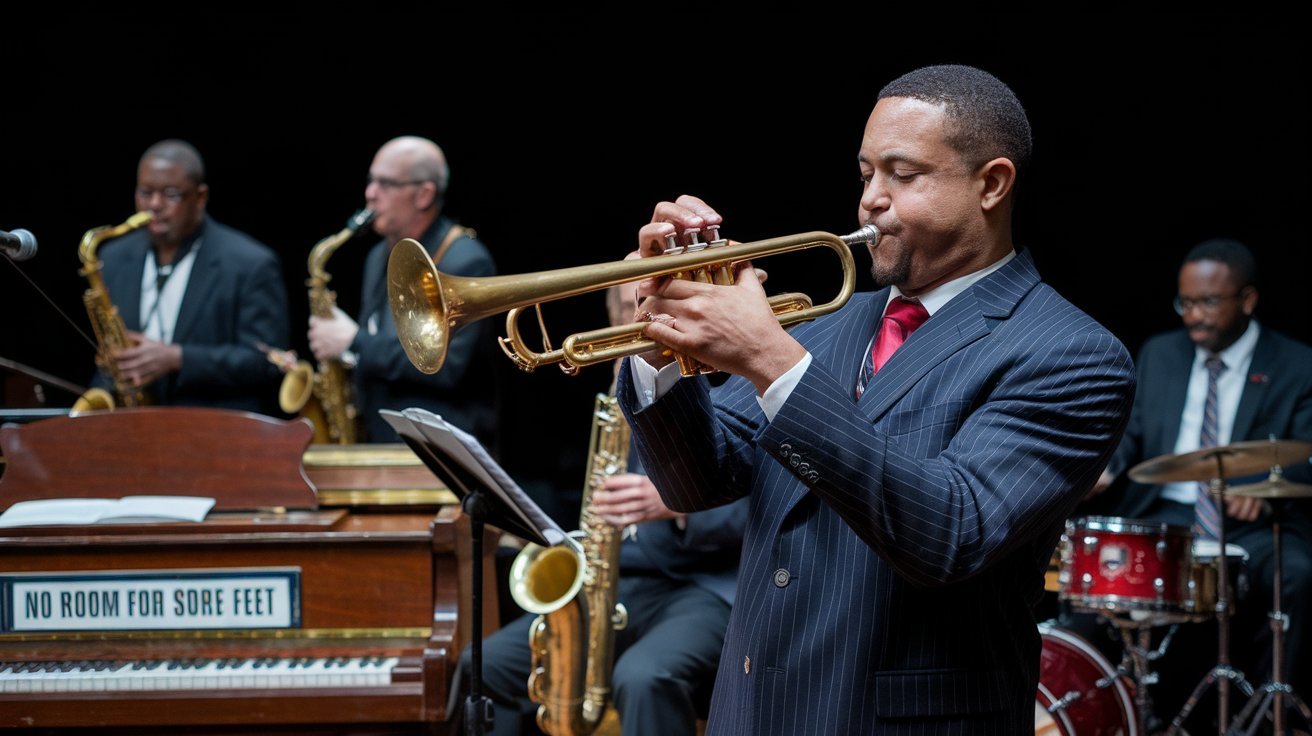
Trumpet music has a distinctive sound that can be bright, powerful, expressive, and remarkably versatile. From classical orchestras and marching bands to jazz clubs, film scores, popular music, and ceremonial performances, the trumpet has remained one of the world’s most recognizable musical instruments.
The trumpet can deliver soaring melodies, energetic fanfares, smooth lyrical passages, and powerful rhythmic accents. Its versatility comes from the player’s ability to control breath, embouchure, articulation, valves, dynamics, and tone. In 2026, trumpet music continues to connect traditional musical techniques with modern genres, recording technology, and new approaches to music education.
What Is Trumpet Music?
Trumpet music refers broadly to music written for or performed using the trumpet. The instrument belongs to the brass family, alongside instruments such as the trombone, French horn, tuba, and euphonium.
A standard modern trumpet is commonly pitched in B-flat, although trumpets are available in several keys. Sound is produced when the player vibrates their lips against the mouthpiece. That vibration creates an air column inside the instrument, and the player changes notes primarily by combining different lip vibrations, air pressure, and valve combinations.
Three valves are typically used on a modern trumpet. Pressing different combinations of valves changes the effective length of the tubing, allowing the player to produce different pitches.
The trumpet’s powerful projection makes it particularly effective when a musical arrangement needs a sound that can cut through a large ensemble.
A Brief History of Trumpet Music
The history of trumpet music stretches back thousands of years. Early trumpet-like instruments were used in ceremonies, military communication, religious events, and royal occasions rather than primarily for playing melodies.
Ancient civilizations used natural horns and trumpets made from materials such as metal, animal horn, and other available resources. These early instruments had limited pitch capabilities because they lacked the sophisticated valve systems found on modern trumpets.
During the Baroque period, composers increasingly explored the trumpet as a serious musical instrument. Skilled performers could use the natural trumpet to play higher notes and perform elaborate musical passages.
The development of valves in the 19th century dramatically expanded the trumpet’s capabilities. Players could change tubing length quickly, making chromatic playing much more practical.
The modern trumpet eventually became central to numerous musical traditions, including classical music, jazz, brass bands, military bands, and popular music.
Major Types and Styles of Trumpet Music
One of the most appealing aspects of the trumpet is its ability to work across very different musical styles.
Classical Trumpet Music
In classical music, the trumpet can function as a melodic instrument, harmonic support, or dramatic accent. Orchestral composers have used trumpets to create brilliant fanfares, powerful climaxes, rhythmic figures, and lyrical passages.
Trumpet sections are an important part of many symphonic and concert-band arrangements.
Jazz Trumpet Music
The trumpet has an especially important place in jazz history. Jazz trumpet players helped establish improvisation as one of the defining features of the genre.
Jazz trumpet playing can involve swing phrasing, improvisation, altered articulations, expressive vibrato, muted sounds, and complex harmonic ideas. Players may use different mutes to change the instrument’s tone and character.
Marching and Brass Band Music
Trumpets are also essential in marching bands, military bands, and brass ensembles. Their projection makes them well suited to outdoor performances.
Marching trumpet parts often combine strong rhythmic articulation with memorable melodies and harmonized lines.
Popular and Contemporary Music
Trumpets appear in funk, soul, Latin music, ska, R&B, pop, hip-hop, rock, and many other styles. Modern recording technology has also made it easier to manipulate trumpet sounds using microphones, effects, layering, and digital production.
How to Produce a Good Trumpet Sound
Developing a beautiful trumpet tone requires consistent technique rather than simply blowing harder. Breath control is one of the foundations of effective trumpet playing.
Players should develop a steady airflow and learn to coordinate their breathing with the embouchure. The embouchure—the positioning and controlled use of the lips and surrounding facial muscles—helps determine tone, pitch, endurance, and flexibility.
A useful practice routine can include:
- Long, controlled notes
- Lip flexibility exercises
- Scales
- Arpeggios
- Articulation exercises
- Easy melodic studies
- Gradual range development
- Rhythm practice
- Regular rest periods
We should avoid trying to build high-range playing solely through excessive force. A relaxed, efficient approach generally provides better control and endurance.
Trumpet Techniques Every Player Should Learn
Strong trumpet playing involves several fundamental techniques.
Articulation determines how individual notes begin and connect. Common approaches include tonguing and slurring.
Dynamics allow players to move between soft and loud passages. Controlling volume without losing tone quality is an important skill.
Lip flexibility helps players move smoothly between notes and registers.
Finger coordination is necessary for clean valve changes, especially during fast passages.
Breath control supports sustained phrases and helps maintain consistent tone.
Advanced players may also explore techniques such as double tonguing, triple tonguing, vibrato, lip bends, pedal tones, muted trumpet effects, and extended range.
In jazz and contemporary styles, improvisation becomes another major area of study. Players learn scales, chords, phrasing concepts, transcription, and musical vocabulary to develop confident solos.
How to Learn Trumpet Music as a Beginner
Beginning trumpet players should focus on building a reliable foundation instead of immediately attempting difficult pieces.
We can begin by learning how to hold the trumpet comfortably, form a basic embouchure, produce a stable tone, and operate the valves correctly. Simple notes and melodies can then be introduced gradually.
A practical beginner routine might include 15 to 30 minutes of focused practice, depending on age, experience, and physical comfort.
A session can contain:
- Gentle warm-up exercises.
- Long tones for sound development.
- Basic scales and valve patterns.
- Simple articulation exercises.
- Beginner melodies.
- A short review of difficult passages.
- Cool-down playing at a comfortable range.
Consistent practice is more valuable than occasional marathon sessions. We should also listen carefully to accomplished trumpet players because active listening helps develop an understanding of tone, phrasing, rhythm, articulation, and musical expression.
Working with a qualified trumpet teacher can accelerate progress by identifying technical problems before they become established habits.
Benefits of Playing and Studying Trumpet Music
Learning trumpet music can provide benefits beyond musical performance. Playing requires coordination between breathing, hearing, reading, finger movement, facial muscles, and timing.
Regular musical practice can encourage concentration, discipline, memory, listening skills, and coordination. Performing in ensembles also teaches musicians how to follow a conductor, maintain tempo, blend with other instruments, and contribute to a larger musical structure.
Trumpet playing can additionally provide a creative outlet. Players can explore different genres and eventually develop their own musical personality.
However, trumpet playing can be physically demanding, particularly when beginners practice too intensely. We should take appropriate breaks and avoid continuing when there is significant pain or unusual physical discomfort.
Choosing a Trumpet and Building a Practice Routine
Beginners generally benefit from a reliable, properly maintained student trumpet rather than immediately purchasing an expensive professional model. The instrument should have valves that operate smoothly and should be checked regularly for mechanical problems.
A basic trumpet setup can include:
- Trumpet
- Mouthpiece
- Valve oil
- Cleaning equipment
- Music stand
- Metronome
- Appropriate beginner method books
- Protective case
Our practice environment should be comfortable and reasonably quiet. Using a metronome can improve rhythm and timing, while recording practice sessions can reveal issues that may not be obvious while playing.
As our technique develops, we can gradually introduce more demanding repertoire and explore the styles that interest us most.
The Future of Trumpet Music in 2026 and Beyond
Trumpet music continues to evolve. Traditional orchestral and jazz techniques remain important, while contemporary musicians increasingly combine acoustic trumpet with digital recording, electronic effects, looping, sampling, and modern production.
Online education has also made lessons, performances, masterclasses, and instructional resources more accessible to musicians around the world. Players can study historical recordings while simultaneously exploring new genres and technologies.
Despite these changes, the essential elements of trumpet playing remain remarkably consistent: good breathing, efficient embouchure, accurate rhythm, controlled articulation, musical listening, and regular practice.
Conclusion
Trumpet music has developed from ancient ceremonial and military traditions into one of the most diverse areas of modern instrumental music. Its distinctive sound continues to play an important role in classical, jazz, marching, brass, Latin, funk, pop, and contemporary music.
For beginners, the most effective path is to establish strong fundamentals, practice consistently, listen actively, and increase difficulty gradually. For experienced musicians, the trumpet offers virtually unlimited opportunities for technical development, improvisation, composition, collaboration, and artistic expression.
Whether we are interested in playing our first melody or developing advanced performance skills, understanding the instrument’s history, technique, repertoire, and musical possibilities gives us a stronger foundation for exploring the world of trumpet music in 2026.

Ninja Coffee Maker Cleaning: Complete Guide for 2026

Met Live in HD: Complete Guide to the Metropolitan Opera Cinema Series in 2026

ZooZoo Tube: Complete Guide to ZooZoo Videos, Ads, and Their Popularity

Get in Touch in TurboGeek.org: Complete 2026 Guide to Contacting TurboGeek.org for Support, Collaboration, and Inquiries

Mounjaro & Wegovy Side Effects: A Complete Guide to What You Should Know

www.thriftyevents.net: The Complete 2026 Guide to Budget-Friendly Event Planning, Creative Ideas, and Smart Celebrations
 Tech2 months ago
Get in Touch in TurboGeek.org: Complete 2026 Guide to Contacting TurboGeek.org for Support, Collaboration, and Inquiries
- Health2 months ago
Mounjaro & Wegovy Side Effects: A Complete Guide to What You Should Know
- Blog2 months ago
www.thriftyevents.net: The Complete 2026 Guide to Budget-Friendly Event Planning, Creative Ideas, and Smart Celebrations
- Technology2 months ago
PC Cleaner: The Complete Guide to Improving Your Computer’s Performance
- Celebrity2 months ago
Who Is Sam Michael Fox? Everything About Michael J. Fox Son
- Health2 months ago
Kiolopobgofit Supplement: Complete 2026 Guide to Benefits, Ingredients, Uses, Safety, and Effectiveness
- Tech2 months ago
Sparx Science: The Complete Guide to Smarter Learning, Interactive Homework, and Student Success
- Business2 months ago
Jones MyGreenBucks Net: Complete 2026 Guide to Personal Finance, Smart Budgeting, and Money Management