
Blog
Posts ThriftyEvents.net: A Complete Guide to Budget-Friendly Event Ideas in 2026

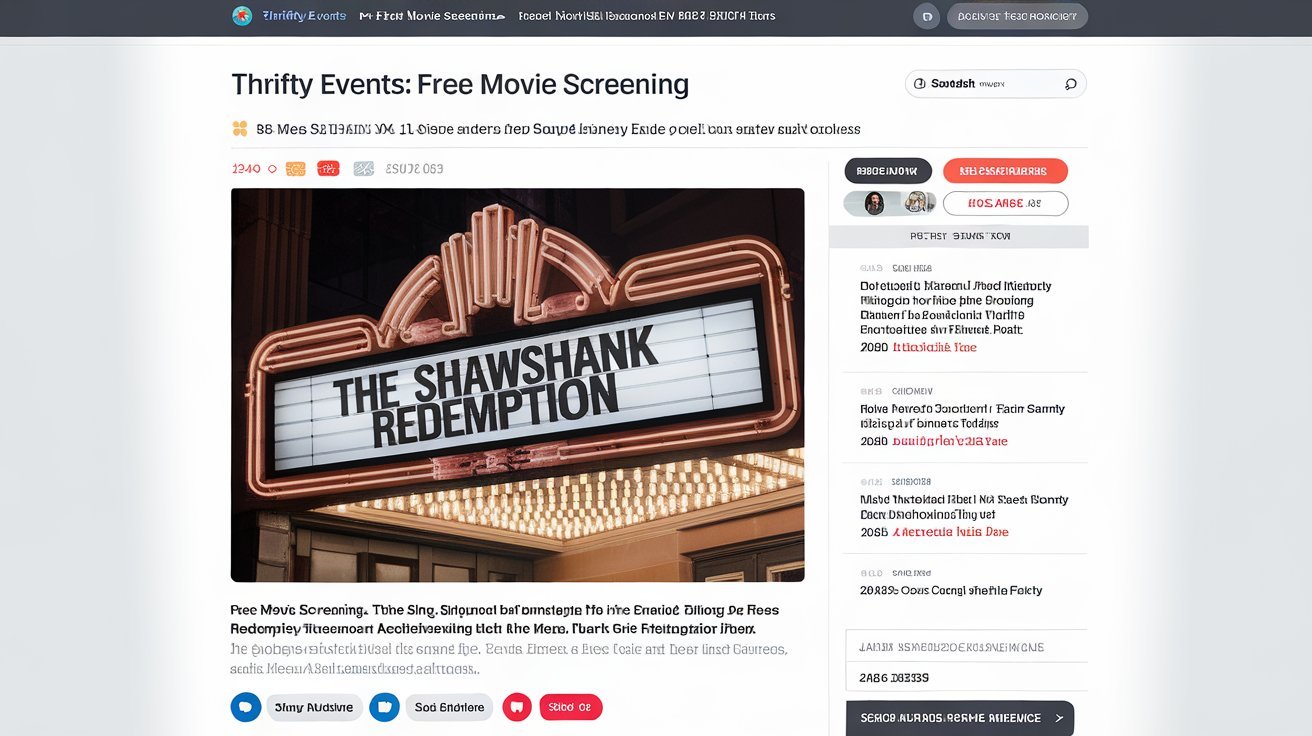
Finding affordable event ideas can make planning easier, more enjoyable, and less stressful. For readers searching for “posts thriftyevents.net,” the most useful starting point is understanding how the website’s event content can help us discover practical inspiration, compare possibilities, and organize celebrations without unnecessary spending. In 2026, ThriftyEvents.net focuses on the idea that memorable occasions do not require extravagant budgets. Its published content covers event planning, budgeting, DIY ideas, and practical ways to create enjoyable experiences while keeping costs under control.
Whether we are planning a birthday party, wedding, corporate gathering, community meetup, or family celebration, the right information can help us make better decisions. By combining creative ideas with realistic budgeting, we can focus on what matters most: comfortable guests, meaningful activities, and an event that reflects our purpose.
What Are Posts ThriftyEvents.net and What Can We Find There?
The phrase “posts thriftyevents.net” may refer to the website’s published articles and event-related content. The official website presents itself as a resource for budget-friendly event planning, with sections covering budgeting tips, DIY ideas, and event planning. Its content includes practical guidance for organizing different types of occasions while avoiding unnecessary expenses.
The website’s event-planning archive includes articles about outdoor events, equipment rentals, budget-friendly celebrations, and general planning strategies. This makes it useful for readers who want to explore ideas before making decisions about venues, suppliers, decorations, or activities.
We should remember that published blog posts are a source of inspiration and guidance, not a substitute for confirming current prices, availability, or supplier terms. Event details can change, so checking the latest information before booking remains essential.
How to Use ThriftyEvents.net Posts for Event Planning
The most effective way to use event-planning content is to begin with a clear goal. Before reading articles or collecting ideas, we should decide what kind of event we are organizing, how many people may attend, and what experience we want to create.
For example, a small birthday gathering may require a different approach from a corporate event. A family celebration might prioritize food and activities, while a professional gathering may need reliable equipment, convenient seating, and a clear schedule.
A practical research process includes:
- Define the event purpose before collecting ideas.
- Estimate the guest count to make planning more accurate.
- Set a realistic spending limit before comparing options.
- Identify the most important features of the occasion.
- Save useful ideas that fit the event’s theme and budget.
- Verify current details before making purchases or reservations.
This approach helps us avoid collecting attractive ideas that are difficult to afford or unsuitable for our guests.
Budget-Friendly Event Ideas Worth Exploring
One of the strongest themes in ThriftyEvents.net content is the connection between smart planning and lower costs. The website’s published guides discuss budgeting, venue selection, DIY decorations, and practical ways to organize memorable events without overspending.
We can apply these principles to several common event types:
Birthday celebrations: A simple theme, homemade decorations, and a carefully planned menu can create a welcoming atmosphere without requiring expensive entertainment.
Weddings: Couples can prioritize the ceremony, food, photography, or another meaningful feature while choosing more economical options for less important expenses.
Corporate events: A clear objective, realistic attendee estimate, and comparison of venue and catering options can help organizations avoid unnecessary spending.
Community gatherings: Shared resources, local suppliers, and volunteer-supported activities may help create a successful event while keeping costs manageable.
The best idea is not necessarily the cheapest one. It is the option that provides the greatest value for the people attending.
How to Build a Practical Event Budget
A well-organized budget is one of the most important tools for successful event planning. ThriftyEvents.net’s published budgeting guidance emphasizes connecting expenses to goals and accounting for both essential and variable costs.
We should begin by listing the main categories:
| Budget Category | What to Consider |
|---|---|
| Venue | Rental fee, deposits, equipment, and additional charges |
| Food and drinks | Menu, portions, catering, and dietary requirements |
| Decorations | Materials, rentals, reusable items, and setup |
| Entertainment | Activities, music, performers, or equipment |
| Invitations | Printing, digital invitations, and communication |
| Transportation | Travel, parking, and delivery costs |
| Contingency | Unexpected expenses and last-minute changes |
After creating the list, we can compare suppliers and identify areas where savings are possible. We should also avoid spending the entire budget before the event begins. A contingency reserve can help us manage unexpected costs without disrupting the plan.
DIY Decorations and Sustainable Event Planning
DIY decorations can be an effective way to personalize an event while reducing expenses. ThriftyEvents.net’s published decoration guidance discusses using a consistent color palette, a few focal areas, and versatile materials to create a stylish appearance without excessive spending.
We can use reusable table decorations, handmade signs, fabric runners, glass containers, and simple lighting to create a cohesive atmosphere. Instead of decorating every part of a venue, we can focus on the entrance, dining area, and one memorable display.
Sustainability can also support affordability. The website’s published sustainability guide highlights reducing single-use items, choosing local food, and planning waste more carefully.
Practical steps include:
- Use reusable decorations whenever possible.
- Choose seasonal materials for lower-cost arrangements.
- Avoid excessive packaging when purchasing supplies.
- Plan food quantities carefully to reduce waste.
- Donate suitable leftovers where appropriate.
- Recycle or repurpose materials after the event.
These choices can help us create a more responsible celebration while keeping the budget under control.
Choosing Venues, Vendors, and Activities Wisely
Venue and supplier decisions can significantly affect the total cost of an event. We should compare more than the advertised price and consider what is included in each package. A venue that provides tables, chairs, lighting, or sound equipment may offer better value than a cheaper location requiring several additional rentals.
When evaluating vendors, we should request itemized quotes and confirm the details of the service. We should ask about deposits, cancellation policies, delivery charges, setup fees, and any additional costs that may appear later.
For entertainment, we can focus on activities that encourage participation rather than relying entirely on expensive services. Games, music, themed challenges, and simple interactive experiences can make an event enjoyable for a wide range of guests.
Good planning is about choosing the right combination of services, not simply choosing the lowest price.
Final Thoughts on Posts ThriftyEvents.net
The posts thriftyevents.net topic is useful for anyone looking for practical event inspiration, budgeting advice, and creative ways to organize celebrations in 2026. The website’s published content provides ideas for planning different occasions, managing expenses, and using DIY approaches to create memorable experiences.
By starting with a clear goal, setting a realistic budget, comparing options, and focusing on what guests will genuinely appreciate, we can create events that feel thoughtful and well organized. Affordable event planning is not about removing everything enjoyable; it is about making better decisions with the resources available.
Frequently Asked Questions
What does “posts thriftyevents.net” mean?
It generally refers to the published posts and event-related content available on ThriftyEvents.net, including budgeting advice, DIY ideas, and event-planning guidance.
What types of events can we plan with budget-friendly ideas?
We can use these principles for birthdays, weddings, corporate gatherings, community events, and family celebrations.
How can we reduce event costs without sacrificing quality?
We can prioritize important expenses, compare suppliers, use reusable decorations, and choose activities that provide meaningful guest experiences.
Why is a contingency fund important?
A contingency fund helps us manage unexpected expenses, such as additional supplies, delivery charges, or last-minute changes.
Are DIY decorations suitable for every event?
Yes, when planned appropriately. We should choose materials and designs that match the event’s style, available time, and practical requirements.
Should we verify event information before booking?
Yes. We should confirm current prices, availability, venue details, and supplier terms before making commitments.

A Frigidaire refrigerator ice maker not working can quickly become frustrating, especially when the refrigerator is cooling normally but no ice is being produced. In many cases, however, the problem is caused by something relatively simple, such as the ice maker being turned off, a clogged water filter, insufficient water flow, an incorrect freezer temperature, or a frozen fill tube. Frigidaire’s own troubleshooting guidance recommends checking these basic conditions before assuming that the ice maker assembly has failed.
The exact solution depends on the refrigerator model, but the troubleshooting process is broadly similar across French-door, side-by-side, and top-freezer Frigidaire refrigerators. This guide explains the most common causes and the practical steps you can take to determine why your Frigidaire ice maker has stopped producing ice.
Check Whether the Frigidaire Ice Maker Is Turned On
The first thing to check when a Frigidaire ice maker is not making ice is whether the ice-making function is actually enabled. A refrigerator can continue cooling normally while the ice maker remains switched off through its control panel or physical controls.
Check the refrigerator’s display and make sure the Ice Maker On/Off setting is enabled. On models with a wire signal arm or paddle, make sure the arm can move freely and has not been pushed into an off position. Frigidaire specifically recommends confirming that the ice maker is turned on before moving on to more complicated troubleshooting.
If the refrigerator was recently installed, give it time to reach its operating temperature. Frigidaire says a newly installed refrigerator may need approximately 24 hours before normal ice production begins. The water system should also be properly primed because air in the plumbing can result in several empty ice-making cycles.
Check the Freezer Temperature
An incorrect freezer temperature is one of the most important things to investigate. The ice maker needs sufficiently cold conditions to freeze the water and complete its normal harvesting cycle.
Frigidaire’s appliance-parts troubleshooting information states that an ice maker may not produce ice efficiently when the freezer temperature is above 10°F (-12°C) and recommends a freezer setting of approximately 0°F to 5°F (-18°C to -15°C) for proper ice-making performance.
If you recently changed the temperature setting, avoid expecting immediate results. The freezer needs time to stabilize. Frigidaire notes that temperature stabilization can take approximately 24 hours in situations such as a new installation or after a power interruption.
Also check whether the freezer door is closing completely. A door that remains slightly open can allow warm air into the freezer, increasing temperatures and potentially causing frost accumulation around the ice-making system.
Inspect the Water Supply and Water Filter
If the Frigidaire refrigerator has no ice but the freezer is cold, the next area to investigate is the water supply. The ice maker cannot operate without an adequate supply of water.
Start by checking whether the refrigerator’s water line is properly connected and whether the household water valve is open. Inspect the supply line behind the refrigerator for kinks or crushing. Frigidaire specifically notes that pushing a refrigerator too far against the wall can kink the water line and reduce water flow.
The water filter is another common cause. A clogged or incorrectly installed filter can restrict water flow to the ice maker. Frigidaire recommends replacing the refrigerator water filter approximately every six months, although actual replacement requirements can depend on usage and the particular model. If you have recently installed a replacement filter, make sure it is fully seated and that the water system has been properly primed and purged.
A useful clue is the water dispenser. If the dispenser is also producing weak water flow or no water, the issue may be related to the filter or water supply rather than the ice maker itself.
Look for a Frozen Fill Tube or Ice Jam
Another common reason for a Frigidaire ice maker not working is a frozen fill tube. The fill tube supplies water to the ice maker, and if ice blocks the tube, fresh water cannot enter the ice tray.
Frozen fill tubes can be associated with low water pressure, a faulty water inlet valve, or freezing conditions around the water inlet area. Frigidaire’s repair guidance identifies a frozen fill tube as one of the common causes of an ice maker that does not receive water.
If your refrigerator produces ice but will not dispense it, the problem may instead be a frozen or misaligned auger. Frigidaire recommends removing the ice bin, thawing and emptying frozen ice around the auger, drying the bin, and reinstalling it correctly.
Check Water Pressure and the Inlet Valve
When the refrigerator is cold enough, the ice maker is switched on, and the filter and water line appear normal, the water inlet valve becomes another important area to investigate.
The water inlet valve is electrically controlled and allows water to enter the refrigerator’s water and ice-making system. Frigidaire appliance troubleshooting information identifies the valve as a common cause of an ice maker that does not fill. It also notes that the valve requires sufficient water pressure to operate properly, with some model-specific guidance citing approximately 20 psi.
Low household water pressure can therefore create symptoms that look like an ice-maker failure. If the refrigerator’s water dispenser is also weak, investigate the home’s water supply before replacing expensive refrigerator components.
For electrical testing of an inlet valve or ice-maker assembly, use the refrigerator’s model-specific service information. If you are not comfortable testing electrical components, professional appliance service is safer than attempting live-voltage testing yourself.
Reset the Refrigerator After a Power Problem
A recent power outage, power surge, or electrical interruption can sometimes affect ice-maker operation. Frigidaire recommends a power reset as one possible troubleshooting step when ice production is interrupted.
Before performing any reset, follow the instructions in your owner’s manual. After restoring power, remember that the refrigerator may need time to return to its normal operating temperature. Ice production should not necessarily be expected immediately after the refrigerator has been restarted.
If the ice maker begins working again after a reset but repeatedly stops, the underlying issue may involve a control component, wiring, temperature problem, or water-supply component and may require further diagnosis.
When the Ice Maker Needs Professional Repair
If you have confirmed that the ice maker is turned on, the freezer is sufficiently cold, the water supply is available, the filter is installed correctly, and there are no obvious blockages, the problem may involve an internal component.
Potential causes can include the ice maker assembly, water inlet valve, door switch, wire harness, control board, or related electrical components. Frigidaire appliance repair information lists these among possible causes depending on the specific refrigerator model.
At this point, the refrigerator’s exact model number becomes extremely important because Frigidaire uses different ice-making systems across its product ranges. Replacement parts should be matched to the model rather than purchased solely because they appear visually similar.
Conclusion
When a Frigidaire refrigerator ice maker is not working, start with the simplest possibilities: make sure the ice maker is on, verify the freezer temperature, inspect the water supply, check the filter, and look for frozen ice or a blocked fill tube. Frigidaire indicates that a refrigerator may need up to 24 hours to stabilize after installation or certain interruptions, while water-filter and water-supply problems can also significantly reduce ice production.
If these checks do not restore ice production, the issue may involve the water inlet valve, ice maker assembly, wiring, door switch, or control electronics. At that stage, using the model-specific manual or arranging professional service can prevent unnecessary part replacement. A systematic diagnosis is usually the best approach because the symptom “no ice” does not automatically mean that the ice maker itself has failed.
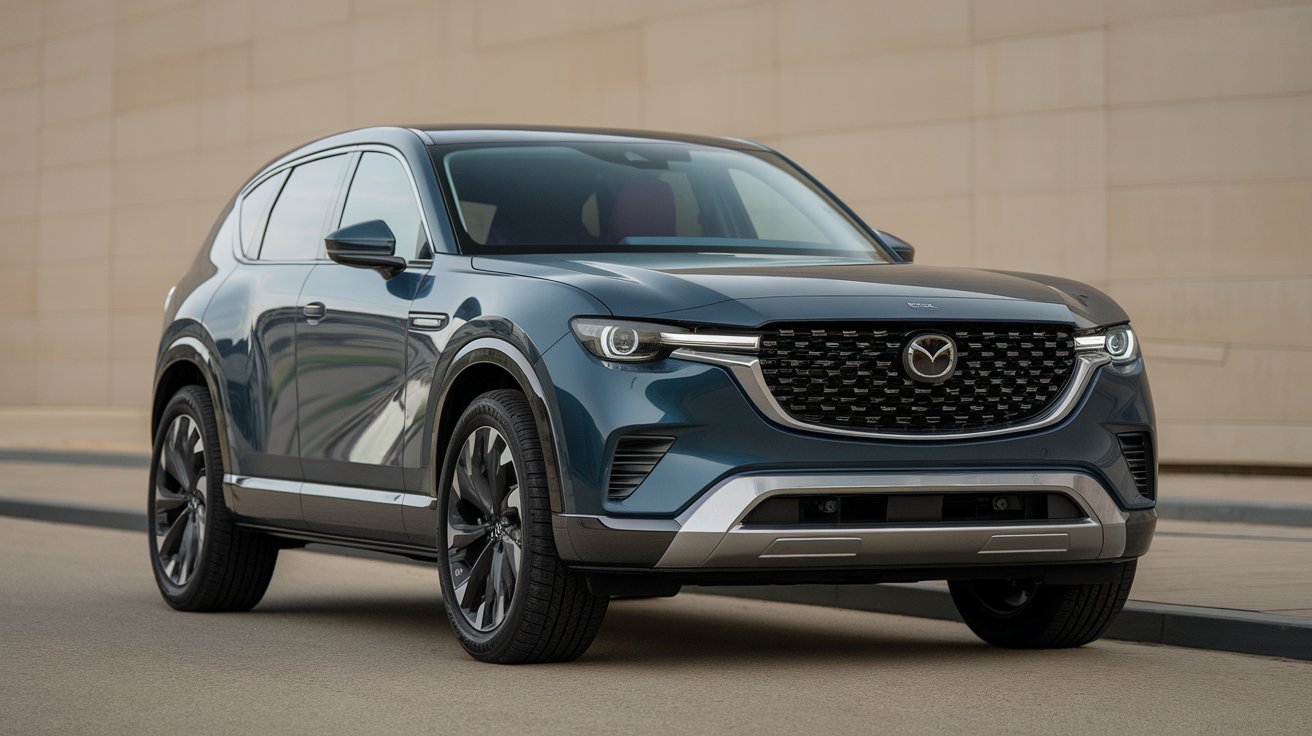
The 2025 Mazda CX-90 PHEV brings plug-in-hybrid technology to Mazda’s three-row SUV lineup, combining a gasoline engine, electric motor, and rechargeable battery into one powertrain. It is designed for drivers who want the flexibility of an SUV with all-electric driving for shorter trips while retaining a gasoline engine for longer journeys. For 2025, Mazda expanded the CX-90 lineup with the PHEV Premium Sport trim while continuing the PHEV Preferred and PHEV Premium Plus models.
The CX-90 PHEV is particularly interesting because it does not sacrifice conventional SUV capability for electrification. It offers all-wheel drive, three-row seating, up to 3,500 pounds of towing capacity, and 323 horsepower when using the recommended premium fuel. At the same time, its 17.8-kWh battery provides an EPA-estimated 26 miles of electric range.
2025 Mazda CX-90 PHEV Powertrain and Performance
At the heart of the 2025 Mazda CX-90 PHEV is Mazda’s e-Skyactiv PHEV system. The setup combines a naturally aspirated 2.5-liter four-cylinder gasoline engine, a 68-kW electric motor, and a 17.8-kWh high-capacity battery. Together, the system produces up to 323 horsepower and 369 lb-ft of torque with the recommended 91-octane premium fuel.
The plug-in-hybrid system is designed to use electric power whenever conditions allow, while the gasoline engine can take over when the battery charge becomes low or additional power is needed. Mazda’s owner documentation explains that the e-Skyactiv PHEV combines EV driving with engine-and-motor operation to balance efficiency and performance.
The powertrain is paired with an 8-speed automatic transmission and standard all-wheel drive. Mazda also uses its Mi-Drive system to provide different driving modes. Depending on equipment and conditions, drivers can select modes such as EV, Normal, Sport, and Off-Road, while towing-related functionality is available on applicable configurations.
Independent testing gives a useful perspective on performance. Edmunds recorded a 0-to-60-mph time of 6.6 seconds in its testing of the CX-90 PHEV, while also noting that electric-only acceleration is considerably slower than the vehicle’s hybrid performance.
2025 Mazda CX-90 PHEV Electric Range and Charging
One of the biggest reasons to consider the 2025 Mazda CX-90 PHEV is its ability to complete short trips using electricity alone. The EPA-rated electric range is 26 miles, and Edmunds lists a combined rating of 56 MPGe and 25 mpg when operating after the battery’s usable electric charge has been depleted.
That 26-mile figure is best understood as a daily-driving range rather than the range of a dedicated battery-electric vehicle. A driver with a short commute, school run, shopping trip, or local errands may be able to complete much of that routine without using gasoline, provided the vehicle is charged regularly.
Charging can be performed at home. Mazda says the CX-90 PHEV includes a portable Level 1 charging cable, while Level 2 charging can substantially reduce charging time. Edmunds lists approximately 2.1 hours at 240 volts in its specifications.
This makes home charging particularly important to the PHEV experience. Unlike a conventional hybrid, the CX-90 PHEV delivers its greatest efficiency advantage when owners actually plug it in and use the available electric energy regularly.
2025 CX-90 PHEV Interior, Seating, and Cargo Space
The CX-90 PHEV is built as a three-row midsize SUV and can accommodate up to eight passengers, depending on configuration. Certain trims can instead use second-row captain’s chairs, resulting in seven-passenger seating.
Inside, Mazda emphasizes an upscale environment with available premium materials, comfortable seating, and a clean dashboard layout. The 2025 model includes a 12.3-inch infotainment display, wireless Apple CarPlay and Android Auto, wireless smartphone charging, three-zone climate control, and a range of convenience features depending on trim.
The cabin’s strongest advantage is its combination of premium design and family-oriented functionality. However, shoppers should pay particular attention to the third row and cargo area. Edmunds lists 14.9 cubic feet of cargo capacity with all seats in place and up to 74.2 cubic feet with the rear seating folded.
The third row is more suitable for children and occasional adult use than for carrying large adults on extended journeys. This is an important consideration for families comparing the CX-90 with other three-row SUVs.
2025 Mazda CX-90 PHEV Trim Levels and Pricing
For the 2025 model year, the CX-90 PHEV lineup includes PHEV Preferred, PHEV Premium Sport, and PHEV Premium Plus. Mazda added the Premium Sport configuration for 2025, giving buyers another equipment and design option between the existing trims.
Edmunds lists the 2025 PHEV range at approximately $49,945 to $57,950, depending on trim and pricing configuration. Its specifications list the PHEV Preferred at a $49,945 starting MSRP and the PHEV Premium Plus at $57,950. Actual transaction prices can differ according to destination charges, dealer pricing, incentives, options, taxes, and location.
The PHEV Preferred provides the fundamental plug-in-hybrid package along with standard technology and safety equipment. Moving into higher trims brings additional premium materials, comfort features, technology, and design upgrades.
Because pricing and incentives can change, buyers should verify the exact window sticker and available incentives for a particular vehicle before making a purchase.
2025 Mazda CX-90 PHEV Safety and Technology
Safety technology is another significant part of the CX-90 PHEV package. Available and standard systems vary by trim, but the vehicle offers features such as adaptive cruise control, lane-keeping assistance, blind-spot monitoring, rear cross-traffic alert, and automatic emergency-braking-related technology.
The SUV also incorporates Mazda’s i-Activsense suite of driver-assistance technologies. Higher trim configurations can add additional camera and parking-related systems.
Technology extends beyond safety. The CX-90 PHEV can provide wireless smartphone connectivity, a large infotainment screen, navigation-related functionality, USB connectivity, wireless charging, and other convenience equipment. The overall approach is to make the vehicle function as both a family transportation tool and a premium-feeling daily driver.
2025 Mazda CX-90 PHEV Towing, Fuel Economy, and Everyday Use
Despite its electrified powertrain, the CX-90 PHEV remains a practical SUV. Mazda rates applicable CX-90 PHEV configurations for up to 3,500 pounds of towing capacity when equipped with Mazda Genuine Towing Accessories.
EPA-related specifications cited by Edmunds show 24 mpg city, 27 mpg highway, and 25 mpg combined when the vehicle operates in its gasoline/hybrid state, along with 26 miles of electric range.
This distinction matters. The PHEV’s fuel-saving potential depends heavily on how frequently it is charged. If the battery is routinely charged and most daily driving stays within the electric range, gasoline consumption can be reduced substantially. If the battery is rarely charged, the benefit of selecting a plug-in hybrid becomes less significant.
Long-term testing of the closely related 2024 CX-90 PHEV also found that the vehicle itself offered attractive handling and interior quality while raising concerns about the hybrid system’s refinement and efficiency once electric energy was exhausted.
Is the 2025 Mazda CX-90 PHEV Right for Your Needs?
The 2025 Mazda CX-90 PHEV occupies a distinctive position among three-row SUVs. Its combination of 323 horsepower, standard all-wheel drive, plug-in capability, three-row seating, and premium-oriented interior gives it a broad range of uses.
It makes the most sense for drivers who have dependable access to charging and regularly make shorter trips. Those drivers can take advantage of the vehicle’s 26-mile electric range while keeping the gasoline engine available for road trips and longer journeys.
On the other hand, shoppers who rarely charge at home may not experience the full advantage of the PHEV system. The vehicle’s gasoline-only efficiency is listed at 25 mpg combined, which Edmunds notes is similar to the standard CX-90’s combined rating.
Ultimately, the 2025 CX-90 PHEV combines Mazda’s emphasis on driving dynamics with the flexibility of plug-in-hybrid technology. Its electric capability, powerful hybrid system, premium cabin, all-wheel drive, and towing ability make it a notable choice for buyers seeking a family SUV that can handle both everyday commuting and longer trips.
Frequently Asked Questions About the 2025 Mazda CX-90 PHEV
How far can the 2025 Mazda CX-90 PHEV drive on electricity?
The 2025 CX-90 PHEV has an EPA-estimated 26 miles of all-electric range.
How much horsepower does the CX-90 PHEV have?
The plug-in-hybrid powertrain produces up to 323 horsepower and 369 lb-ft of torque when using the recommended premium fuel.
How many people can the CX-90 PHEV seat?
Depending on the configuration, the CX-90 PHEV can seat up to eight people, while configurations with second-row captain’s chairs seat seven.
How much can the 2025 CX-90 PHEV tow?
Applicable CX-90 PHEV configurations can tow up to 3,500 pounds when equipped with Mazda Genuine Towing Accessories.
How long does the CX-90 PHEV take to charge?
Edmunds lists approximately 2.1 hours using a 240-volt connection under its specifications. Mazda also supports Level 1 home charging and Level 2 charging.
What engine does the 2025 CX-90 PHEV use?
It combines a 2.5-liter naturally aspirated four-cylinder gasoline engine with an electric motor and a 17.8-kWh battery.
Does the CX-90 PHEV have all-wheel drive?
Yes. The PHEV is equipped with all-wheel drive.
What fuel does the 2025 CX-90 PHEV use?
Mazda recommends 91-octane premium unleaded fuel for maximum engine performance, although its owner’s manual states that lower-octane unleaded fuel can be used with some reduction in performance.
Conclusion
The 2025 Mazda CX-90 PHEV brings together the practicality of a three-row SUV and the flexibility of a plug-in-hybrid powertrain. With 323 horsepower, 369 lb-ft of torque, 26 miles of electric range, standard all-wheel drive, available seating for up to eight, and up to 3,500 pounds of towing capacity, it is engineered for drivers who want both electric capability and long-distance flexibility.
Its biggest consideration is how it will be used. Regular charging allows owners to take greater advantage of the electric drivetrain, while frequent long-distance driving without charging reduces the practical benefit of the plug-in system. With its upscale cabin, substantial technology package, and distinctive combination of performance and electrification, the 2025 Mazda CX-90 PHEV remains a noteworthy three-row SUV for drivers evaluating plug-in-hybrid transportation in 2026.
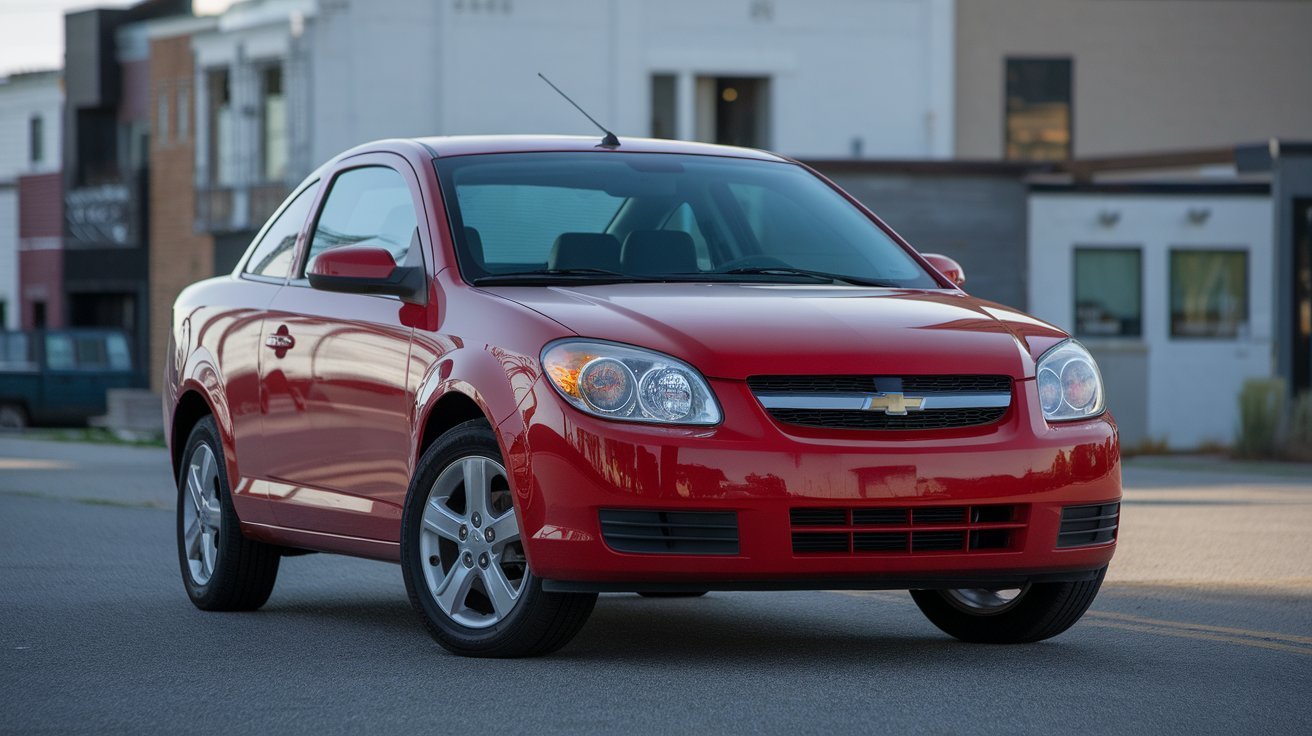
The 2006 Chevy Cobalt remains one of the most recognizable compact cars produced by Chevrolet during the mid-2000s. Designed as the successor to the Chevrolet Cavalier, the Cobalt was built to offer improved comfort, better safety, modern styling, and enhanced driving performance. Even in 2026, many 2006 Cobalt models continue to serve as reliable daily transportation thanks to their simple design, affordable maintenance costs, and dependable engines.
Available in both sedan and coupe body styles, the 2006 Chevy Cobalt appealed to a wide range of drivers, including students, commuters, first-time car buyers, and enthusiasts interested in the performance-oriented SS models. Chevrolet offered multiple trim levels, engine choices, and optional features, allowing buyers to choose a configuration that matched their needs and budget.
Overview of the 2006 Chevy Cobalt
The 2006 Chevrolet Cobalt was built on General Motors’ Delta platform and came in several trims, including:
- LS
- LT
- LTZ
- SS
- SS Supercharged
Buyers could choose between a practical four-door sedan or a sportier two-door coupe. The model was designed to compete with compact cars such as the Honda Civic, Toyota Corolla, Hyundai Elantra, and Mazda3.
One of the major improvements over the Cavalier was the Cobalt’s stronger structure, quieter ride, improved crash protection, and more refined interior. These enhancements helped Chevrolet create a more competitive vehicle in the compact car market.
Engine Options and Performance
One of the strengths of the 2006 Chevy Cobalt was its variety of engine choices.
2.2-Liter Ecotec Engine
Most LS, LT, and LTZ models were equipped with a 2.2-liter four-cylinder Ecotec engine producing:
- 145 horsepower
- 155 lb-ft of torque
This engine delivered a good balance between fuel economy and performance, making it ideal for everyday commuting. Buyers could pair it with either a five-speed manual transmission or a four-speed automatic transmission.
2.4-Liter SS Engine
The newly introduced SS model featured a more powerful:
- 2.4-liter four-cylinder engine
- 171 horsepower
- 163 lb-ft of torque
This version provided stronger acceleration and a sportier driving experience while maintaining respectable efficiency.
2.0-Liter Supercharged Engine
At the top of the lineup was the SS Supercharged Coupe, featuring:
- 2.0-liter supercharged engine
- 205 horsepower
- 200 lb-ft of torque
This high-performance model transformed the compact Cobalt into an exciting sport compact capable of impressive acceleration for its class.
Interior Features and Comfort
Inside, the 2006 Chevy Cobalt offered a straightforward and practical cabin designed for everyday usability.
Standard features included:
- Air conditioning
- CD player
- Driver information center
- Tilt steering wheel
- Rear window defogger
- 60/40 split-folding rear seat
Higher trim levels offered additional features such as:
- Power windows
- Power locks
- Cruise control
- Heated seats
- Leather seating surfaces
- OnStar communication system
- XM Satellite Radio
The Cobalt could seat up to five passengers, although rear-seat space was somewhat limited compared to some competitors. Front-seat comfort was generally considered good for a compact vehicle in this price range.
Fuel Economy and Everyday Practicality
Fuel efficiency was one of the biggest selling points of the 2006 Chevy Cobalt.
Typical fuel economy ratings included:
- 22 MPG city
- 31 MPG highway
- 25 MPG combined
These numbers made the Cobalt an economical choice for commuters and budget-conscious drivers. The vehicle also featured a 13-gallon fuel tank, allowing respectable driving range between fuel stops.
The trunk provided approximately 13.9 cubic feet of cargo space, which was competitive for the compact-car segment at the time. The folding rear seat added flexibility for carrying larger items when necessary.
Safety Features and Reliability
Safety improvements were a major focus for the Cobalt compared to the Cavalier it replaced.
Available safety equipment included:
- Front airbags
- Optional side-curtain airbags
- Anti-lock braking system (ABS)
- Traction control
- Child seat anchors
- OnStar emergency services
Crash-test performance was considered one of the vehicle’s strengths, helping improve consumer confidence in the model. Many reviewers praised the Cobalt for its solid construction and highway stability.
In terms of reliability, the Ecotec engines earned a reputation for durability when properly maintained. Routine maintenance, oil changes, cooling-system care, and transmission servicing remain important for owners keeping these vehicles on the road today. Many examples have surpassed significant mileage milestones due to their relatively simple mechanical design.
The Popular SS and SS Supercharged Models
Among enthusiasts, the Cobalt SS and SS Supercharged versions are often considered the most desirable.
The standard SS offered:
- Performance-tuned suspension
- 17-inch alloy wheels
- Sportier styling
- Enhanced handling
- More powerful engine
The SS Supercharged model added:
- Supercharged powertrain
- 18-inch wheels
- Aggressive exterior styling
- Improved braking system
- Exclusive performance features
These models became popular in the sport compact community because they delivered strong performance at an affordable price point. Even years later, many enthusiasts continue to modify and restore Cobalt SS vehicles.
Common Problems and Maintenance Considerations
Like any vehicle approaching two decades of age, the 2006 Chevy Cobalt may experience age-related issues.
Potential concerns include:
- Suspension wear
- Electrical issues
- Power steering concerns
- Rust in certain climates
- Worn interior components
- Cooling system maintenance needs
Before purchasing a used Cobalt, buyers should inspect maintenance records, check for rust, evaluate suspension condition, and verify that all recalls and repairs have been completed.
Regular maintenance remains the key to preserving reliability and extending vehicle lifespan.
Why the 2006 Chevy Cobalt Still Matters in 2026
Despite being introduced two decades ago, the 2006 Chevy Cobalt continues to attract attention because of its affordability and practicality.
Key advantages include:
- Low ownership costs
- Good fuel economy
- Simple maintenance
- Multiple engine options
- Available performance trims
- Comfortable highway ride
- Affordable used-car pricing
For drivers seeking dependable transportation without a large financial investment, the Cobalt remains a viable option in the used-car market.
Conclusion
The 2006 Chevy Cobalt represents an important chapter in Chevrolet’s compact-car history. Offering practical transportation, efficient engines, multiple trim levels, and sporty SS variants, it successfully replaced the Cavalier while providing improved refinement and safety.
Whether considering a daily commuter, a first vehicle, or an affordable project car, the 2006 Cobalt still offers value in 2026. Its combination of fuel efficiency, straightforward engineering, reliable Ecotec engines, and budget-friendly ownership costs ensures that this compact Chevrolet remains relevant for many drivers years after its original release.

Ninja Coffee Maker Cleaning: Complete Guide for 2026

Met Live in HD: Complete Guide to the Metropolitan Opera Cinema Series in 2026

ZooZoo Tube: Complete Guide to ZooZoo Videos, Ads, and Their Popularity

Get in Touch in TurboGeek.org: Complete 2026 Guide to Contacting TurboGeek.org for Support, Collaboration, and Inquiries

Mounjaro & Wegovy Side Effects: A Complete Guide to What You Should Know

www.thriftyevents.net: The Complete 2026 Guide to Budget-Friendly Event Planning, Creative Ideas, and Smart Celebrations
 Tech2 months ago
Get in Touch in TurboGeek.org: Complete 2026 Guide to Contacting TurboGeek.org for Support, Collaboration, and Inquiries
- Health2 months ago
Mounjaro & Wegovy Side Effects: A Complete Guide to What You Should Know
- Blog2 months ago
www.thriftyevents.net: The Complete 2026 Guide to Budget-Friendly Event Planning, Creative Ideas, and Smart Celebrations
- Technology2 months ago
PC Cleaner: The Complete Guide to Improving Your Computer’s Performance
- Health2 months ago
Kiolopobgofit Supplement: Complete 2026 Guide to Benefits, Ingredients, Uses, Safety, and Effectiveness
- Celebrity2 months ago
Who Is Sam Michael Fox? Everything About Michael J. Fox Son
- Tech2 months ago
PRConnectHive com: Complete 2026 Guide to Digital PR, Media Outreach, and Brand Visibility
- Tech2 months ago
Sparx Science: The Complete Guide to Smarter Learning, Interactive Homework, and Student Success